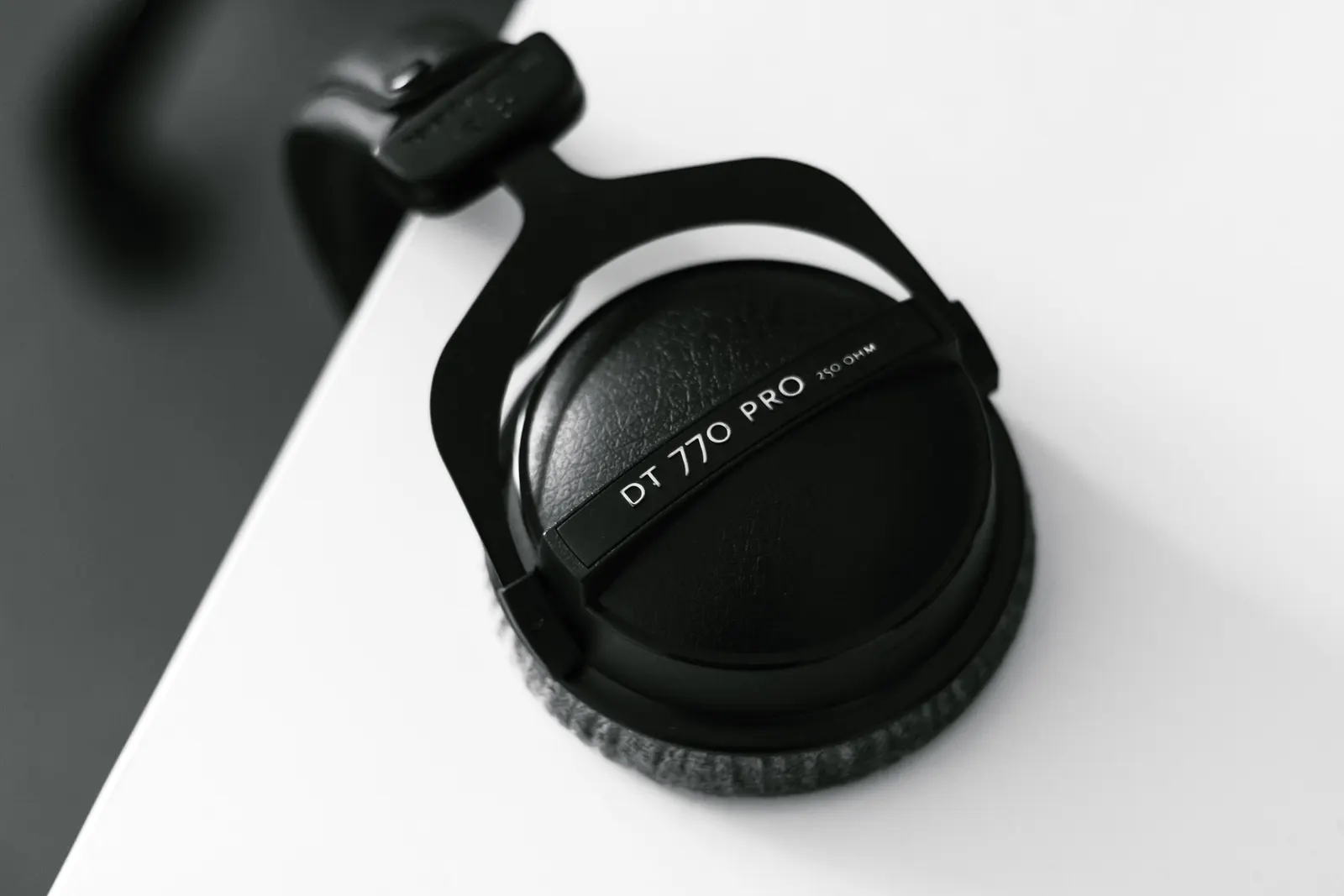
Ask competitive players what equipment they would never compromise on, and many will mention their headset. Audio shapes awareness, communication and comfort. For school programs, it also affects classroom noise and student hearing health. Choosing and using headsets well is a small decision with a big impact.
Short answer: audio matters in esports because players rely on sound for awareness and on voice chat for teamwork. A good headset delivers clear positional audio, a reliable microphone and comfort for long sessions, while safe volume habits protect hearing.
How does audio affect competitive performance?
- Awareness: footsteps, engines and environmental cues reveal what is happening off screen.
- Timing: audio cues help players react faster to events.
- Communication: clear voice chat keeps teams coordinated.
- Focus: closed-back headsets reduce distractions in shared rooms.
What is haptic feedback in a headset?
Haptic headsets add vibration that responds to in-game sound, adding a physical sense to explosions, engines or impacts. The Razer Kraken V3 HyperSense included in the Esports Pod uses this kind of haptic technology. Some players find it adds immersion, especially in racing and action titles, and the effect can usually be adjusted or turned off based on preference.
What makes team communication effective?
Good equipment helps, but communication is a skill. Coaches can teach:
- Short, specific callouts instead of long explanations
- Agreed terms for locations and actions
- Staying calm and positive under pressure
- Letting the designated shot caller lead in key moments
- Reviewing recorded comms after matches
These lessons build communication habits that students use in school, work and life.
How can students protect their hearing?
Long sessions at high volume can be harmful. Encourage players to keep volume at a moderate level, take breaks, and avoid turning audio up to drown out room noise. Headsets with good isolation help because players do not need to raise volume to hear clearly. Coaches should include hearing health in wellness talks.
How do headsets help in shared school spaces?
Esports often happens in libraries, classrooms and multipurpose rooms. Headsets keep game audio contained so the program can share space without disturbing others. Microphones with good noise handling keep voice chat clear even when other students are nearby.
How does audio support streaming?
Viewers forgive imperfect video more readily than poor audio. Clear commentary and balanced game sound make broadcasts enjoyable. When paired with a camera such as the Razer Kiyo, a quality headset lets players appear on stream directly from the Esports Pod.
How should schools care for shared headsets?
Shared equipment needs a care routine. Wipe headbands and ear cushions between users with cleaning products appropriate for the materials, store headsets on hooks or stands rather than in piles, and inspect cables and connectors regularly. Some programs give regular players their own ear cushion covers. Simple routines extend equipment life and keep students comfortable.
See the full audio and peripheral lineup on our products page or book a demo.
Should players use headsets or speakers?
In competition, headsets are almost always the better choice. They deliver directional audio, keep microphones from picking up game sound, and keep noise contained. Speakers can still be useful for group activities, such as a projected class demonstration where everyone needs to hear the simulation at once.
Frequently asked questions
What is a haptic headset?
A haptic headset vibrates in response to in-game audio, adding a physical sensation to sounds like impacts and engines.
How loud should gaming headsets be?
Keep volume at a moderate, comfortable level and take regular breaks. If others can hear the audio from your headset, it may be too loud.
Why do esports teams review voice comms?
Reviewing communication helps teams find confusing callouts, improve coordination and stay composed under pressure.