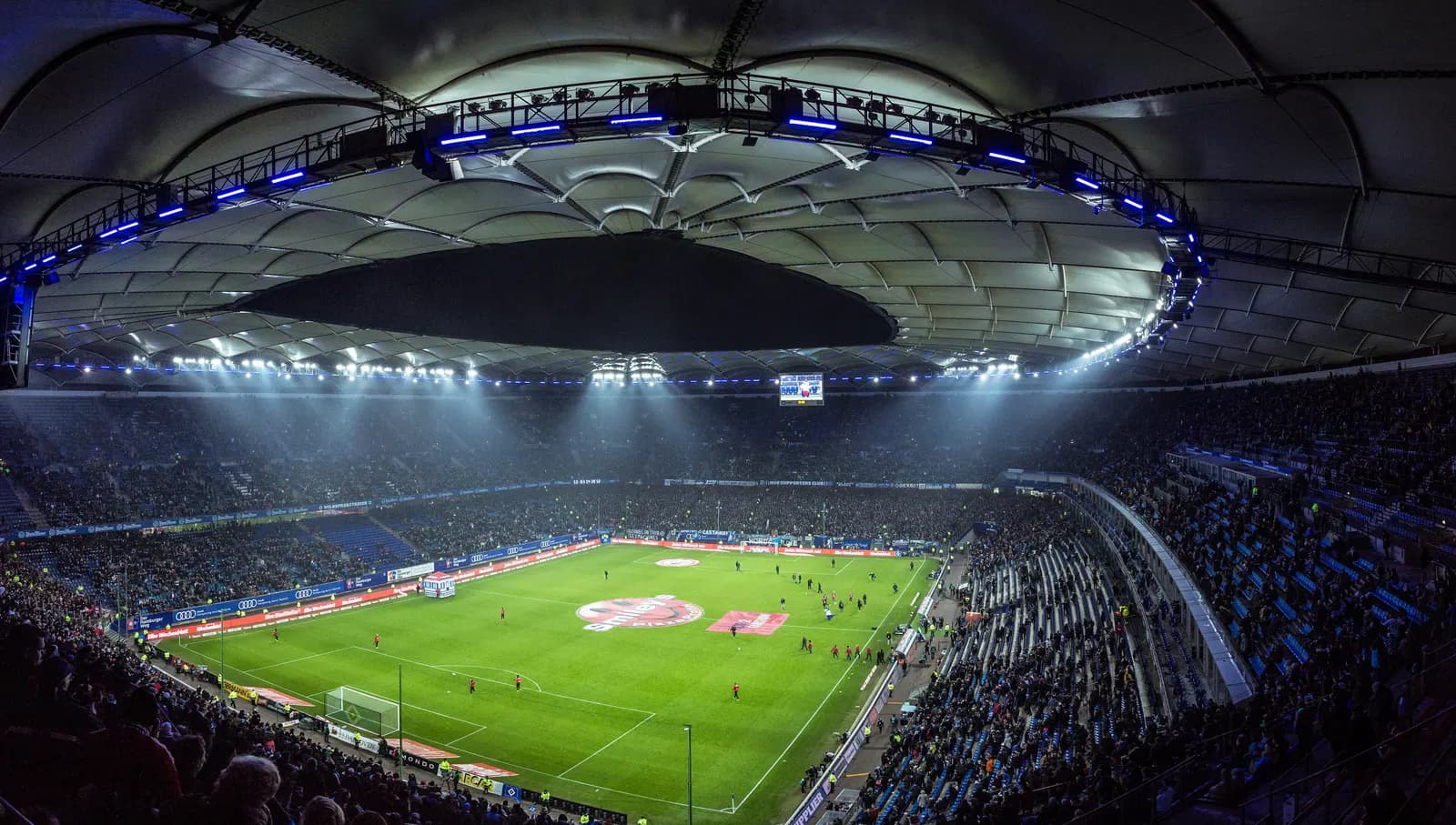
The summer of 2024 put the Olympic Games in the spotlight, and esports was part of the conversation. In July 2024, the International Olympic Committee announced plans to create an Olympic Esports Games, building on earlier Olympic esports initiatives. For students who love gaming, it was a signal that their passion is being taken seriously on the world stage.
Short answer: Olympic interest in esports signals growing legitimacy for competitive gaming. For schools, it reinforces the value of structured programs that teach teamwork, sportsmanship and discipline, and it highlights global opportunities in competition, production and event management.
Why does Olympic recognition matter?
For decades, many people viewed video games as a hobby rather than a competitive discipline. Recognition from traditional sports institutions helps shift that perception. Parents, administrators and policymakers may be more open to supporting school esports when they see it embraced by respected organizations.
Which games tend to appear in Olympic-related esports events?
Olympic esports initiatives have often featured virtual and simulated versions of traditional sports, along with other titles selected to fit Olympic values. Simulation formats, such as racing, cycling and other sports-based games, are a natural fit. That aligns well with school programs that use racing wheels, flight controls and VR for both competition and education.
What does this mean for school esports programs?
- Stronger arguments for treating esports as a legitimate activity
- More emphasis on sportsmanship, fair play and athlete wellness
- Growing interest in simulation-based competition
- Opportunities to connect esports with physical education and health
How can schools bring Olympic values into esports?
The Olympic values of excellence, respect and friendship translate well to esports. Programs can build them into codes of conduct, recognize sportsmanship alongside results, and encourage healthy routines that include physical activity. Students can research how traditional athletes train and apply those lessons to their own preparation.
What global opportunities exist for students?
International esports involves far more than players. Global events need producers, broadcasters, translators, event managers, technical staff and marketers. Students who build skills in school programs can pursue these roles in an industry that operates across borders. Learn about our international work on our global esports page.
How does equipment support simulation-focused competition?
Simulation events depend on reliable, consistent equipment. The Esports Pod supports Thrustmaster racing wheels and pedals such as the T248, flight gear including HOTAS and TCA yokes, and optional HTC Vive Pro Eye VR, paired with an Alienware PC and 38-inch curved monitor. Identical pods give every competitor the same setup, which supports fair play.
How can schools use this moment?
- Share the news with administrators and families to build support.
- Add a simulation or sports title to your program.
- Host a summer or fall event themed around Olympic values.
- Invite physical education staff to collaborate on wellness routines.
Will esports replace traditional sports in schools?
No. Esports complements traditional athletics rather than replacing them. Many students play both, and the skills reinforce each other: teamwork, discipline, practice and resilience. Schools that position esports as one more way for students to belong and compete tend to win support from coaches and families who might otherwise be skeptical.
Explore simulation-ready equipment on our products page or book a demo.
Frequently asked questions
Is esports part of the Olympics?
In July 2024, the IOC announced plans to create an Olympic Esports Games. Details and timing are determined by the IOC and its partners.
What types of games fit Olympic esports?
Olympic esports initiatives have often featured virtual and simulated sports, along with titles chosen to align with Olympic values.
How does this affect high school esports?
It strengthens the case for structured school programs and highlights the value of sportsmanship, simulation and global opportunity.