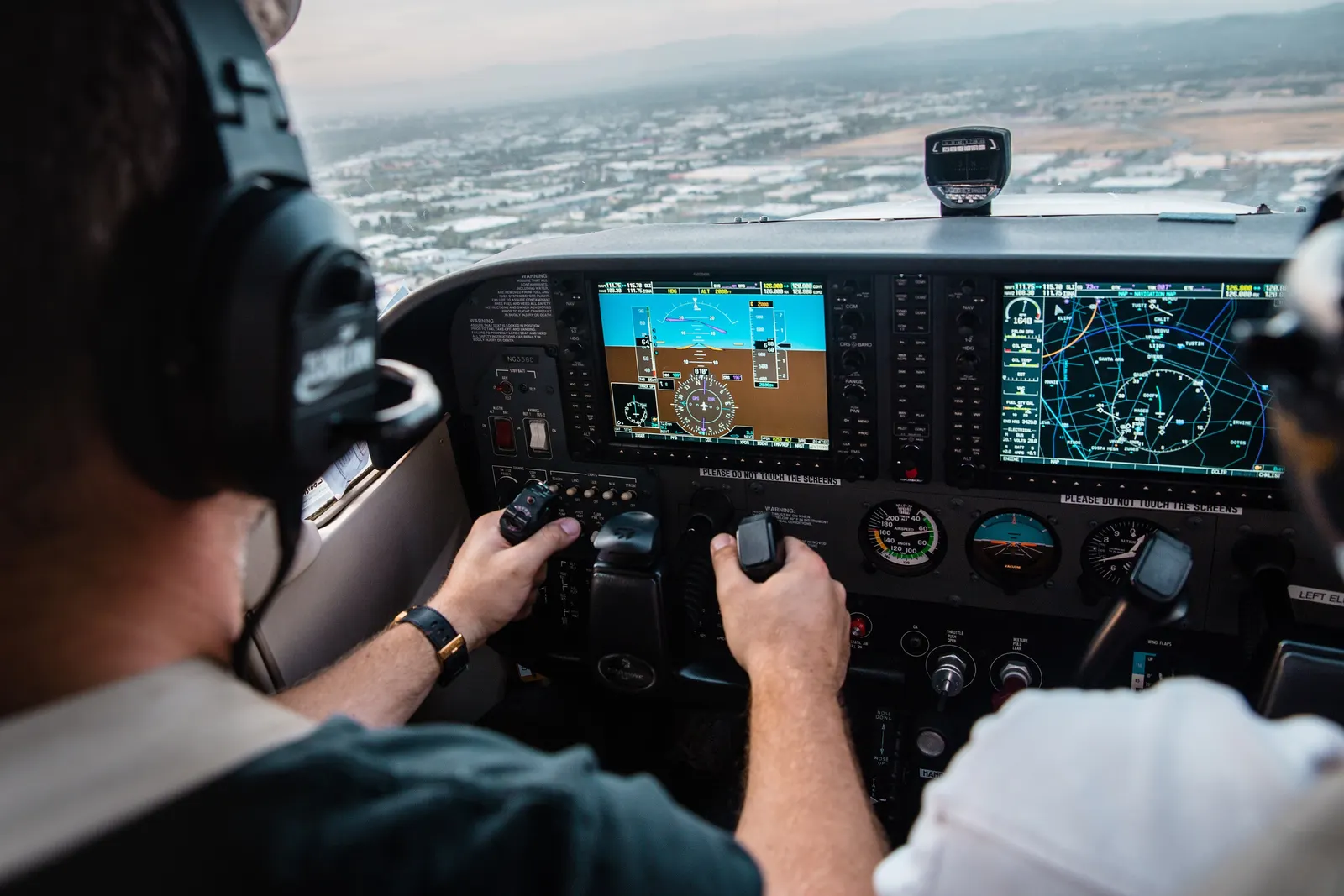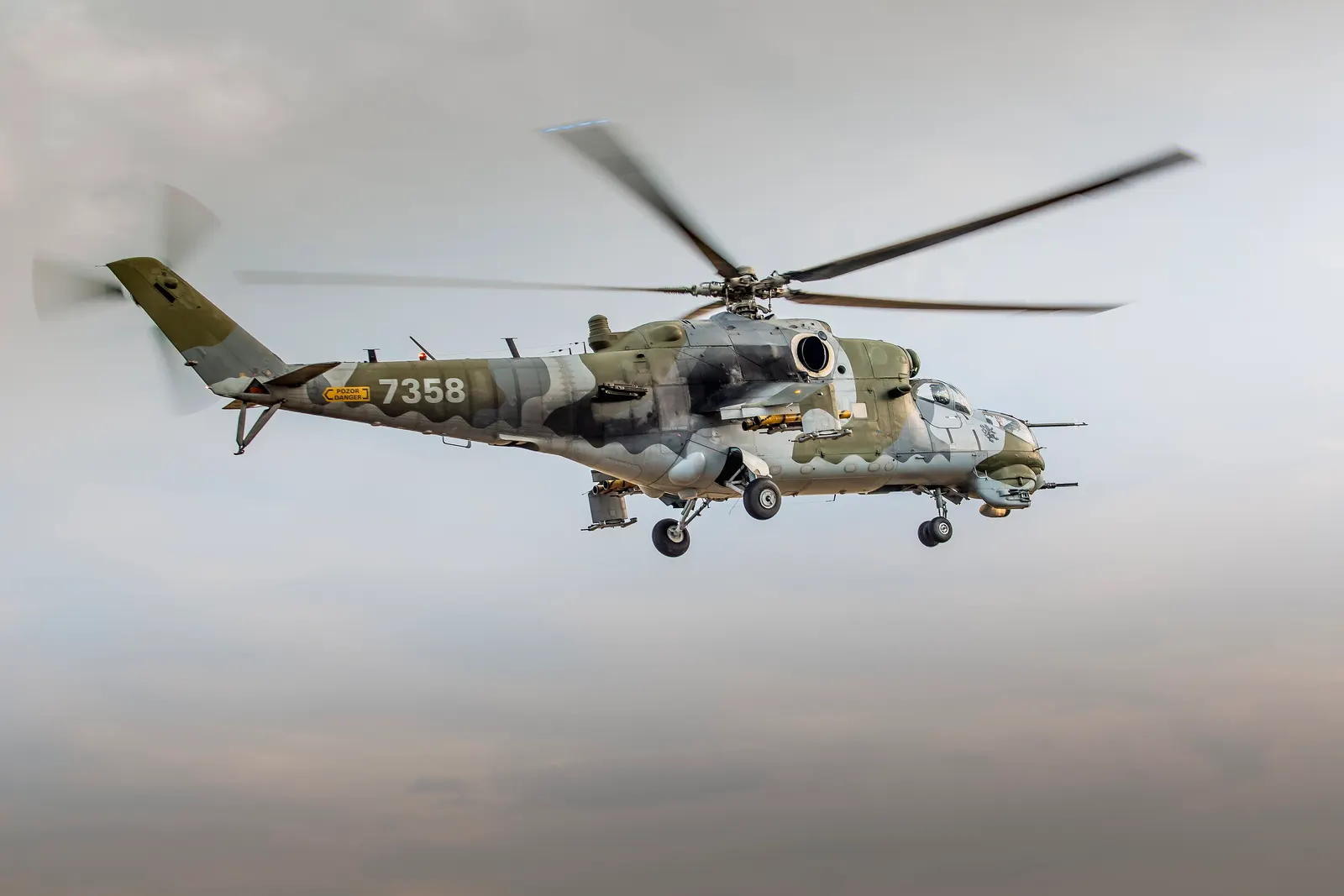
Veterans Day is a time to honor those who have served. As a business owned by a service-disabled veteran, we also see it as a time to reflect on how technology shapes service, education and life after the military. Simulation has long been part of military training, and today similar technology is available to schools, colleges and veteran programs.
Short answer: simulation technology connects service, education and careers by giving people safe, repeatable ways to explore aviation, driving and technical skills. Schools and veteran programs use it to spark interest in service and technical fields, support transitions to civilian careers, and build community.
Why has simulation always mattered to the military?
Military organizations have used simulators for decades to train pilots, drivers and crews in procedures and decision-making without the cost and risk of live operations. That history helped drive advances in simulation technology that later reached consumers. Today, commercial flight and driving simulators share many of the same concepts, even though they are not substitutes for certified military systems.
How can schools use simulation to introduce service and technical careers?
- Flight simulation with HOTAS sticks and TCA yokes introduces aviation roles
- Driving simulation with racing wheels and pedals introduces vehicle operation concepts
- Optional VR introduces immersive training environments
- Team games build communication and coordination
JROTC programs, career and technical education courses and STEM clubs can all use simulation to spark interest and discussion.
How can simulation support veterans in transition?
Veterans moving into civilian education or careers bring valuable experience in teamwork, discipline and technical operations. Simulation and esports can provide familiar, structured activities in campus veteran centers and community programs. Gaming can also be a social bridge, connecting veterans with peers who share their interests.
What makes equipment suitable for military and veteran settings?
Bases, academies and veteran centers often need equipment that is portable, quick to set up and simple to support. The Esports Pod runs on standard 110V power, has built-in Wi-Fi, rolls on wheels, and fits through standard doors and into elevators. It includes an Alienware PC and Alienware 38-inch curved monitor, a Razer Enki chair, Razer audio and camera, Thrustmaster racing and flight gear, and optional HTC Vive Pro Eye VR.
Who is behind the Esports Pod?
The Esports Pod is provided by Sports Media, Inc. and USA Entertainment Ventures, LLC, a service-disabled veteran-owned small business (SDVOSB) with CAGE code 16GC9. Our ownership shapes how we think about service, access and opportunity. For procurement details, contact us.
How can schools honor Veterans Day through esports?
- Invite local veterans to speak with the esports and STEM teams.
- Host a simulation showcase with flight and driving demonstrations.
- Stream a charity event that supports veteran organizations.
- Have students research how simulation is used in training.
Why does this matter for the next generation?
Technical skills in aviation, logistics, communications and cybersecurity are valuable in both military and civilian careers. Early, hands-on exposure through simulation helps students see where those paths can lead. Veterans who share their experiences add context that equipment alone cannot provide, connecting what students see on screen to real service and real careers.
Explore simulation configurations on our products page or book a demo.
Frequently asked questions
Can consumer simulators be used for military training?
Consumer simulators are useful for familiarization and interest-building but do not replace certified military training systems.
What is a CAGE code?
A CAGE code is a unique identifier assigned to businesses that work with the U.S. government. Ours is 16GC9.
How can esports support student veterans?
Esports and simulation offer structured social activities that help student veterans connect with peers and campus communities.