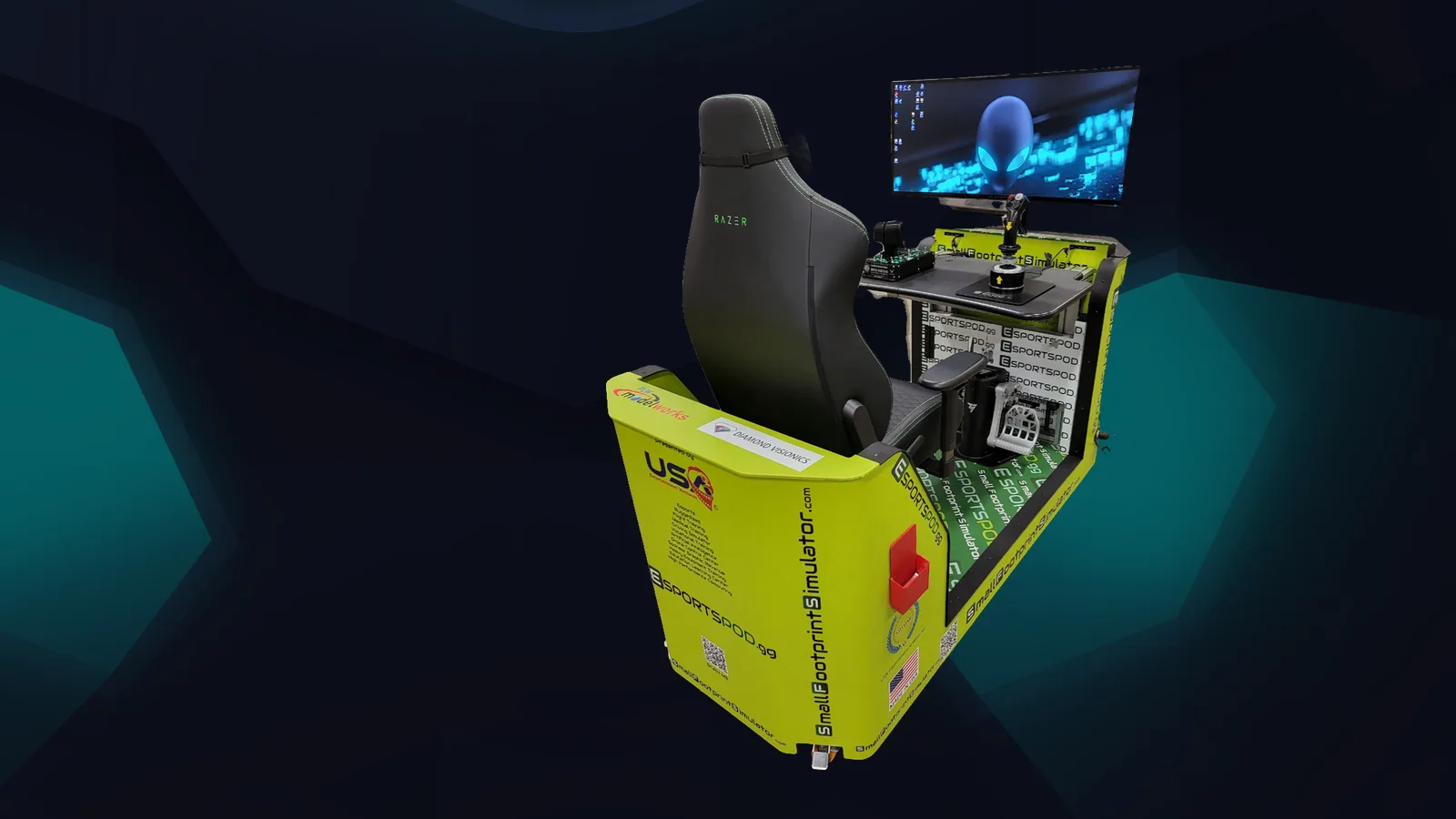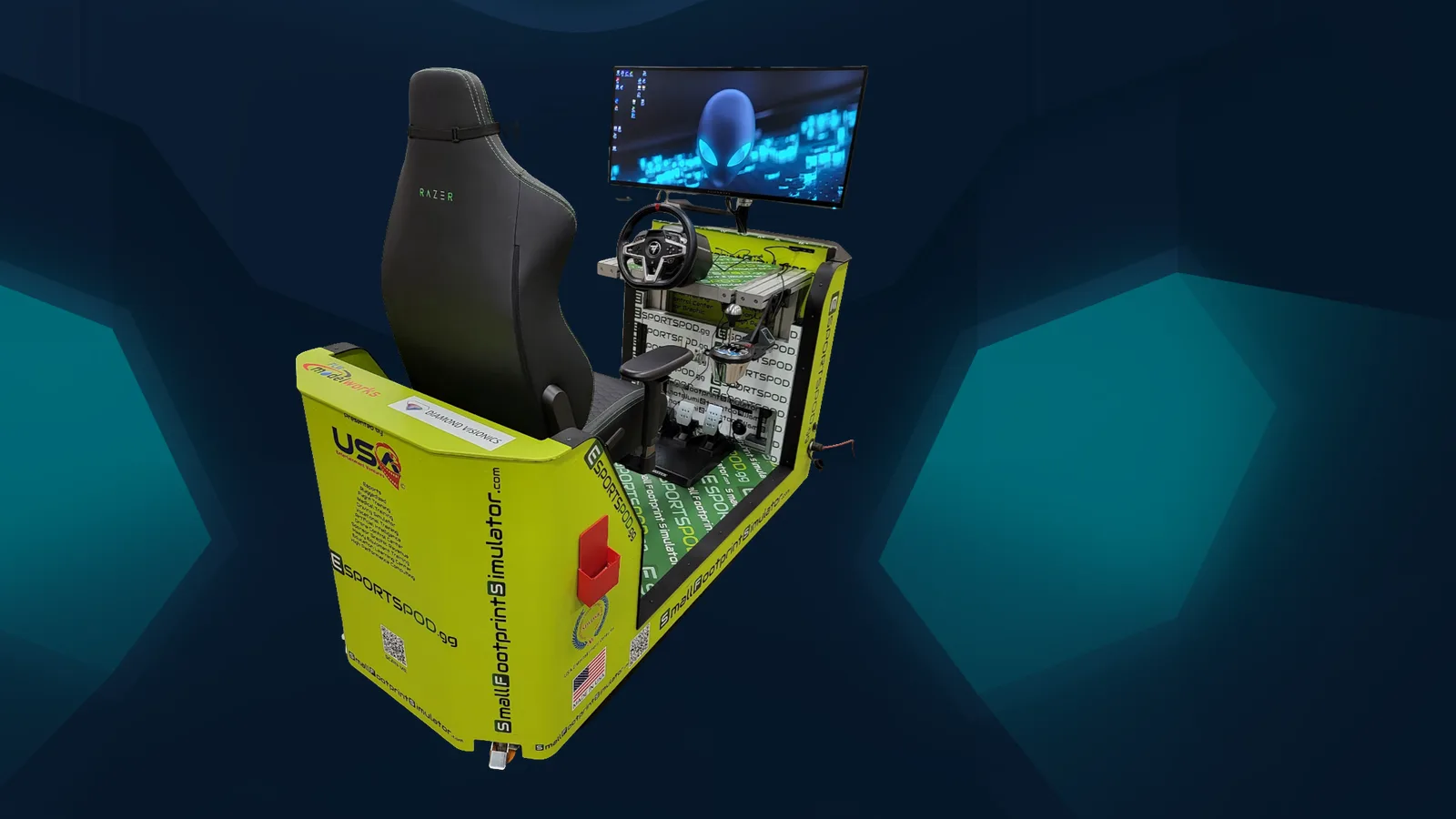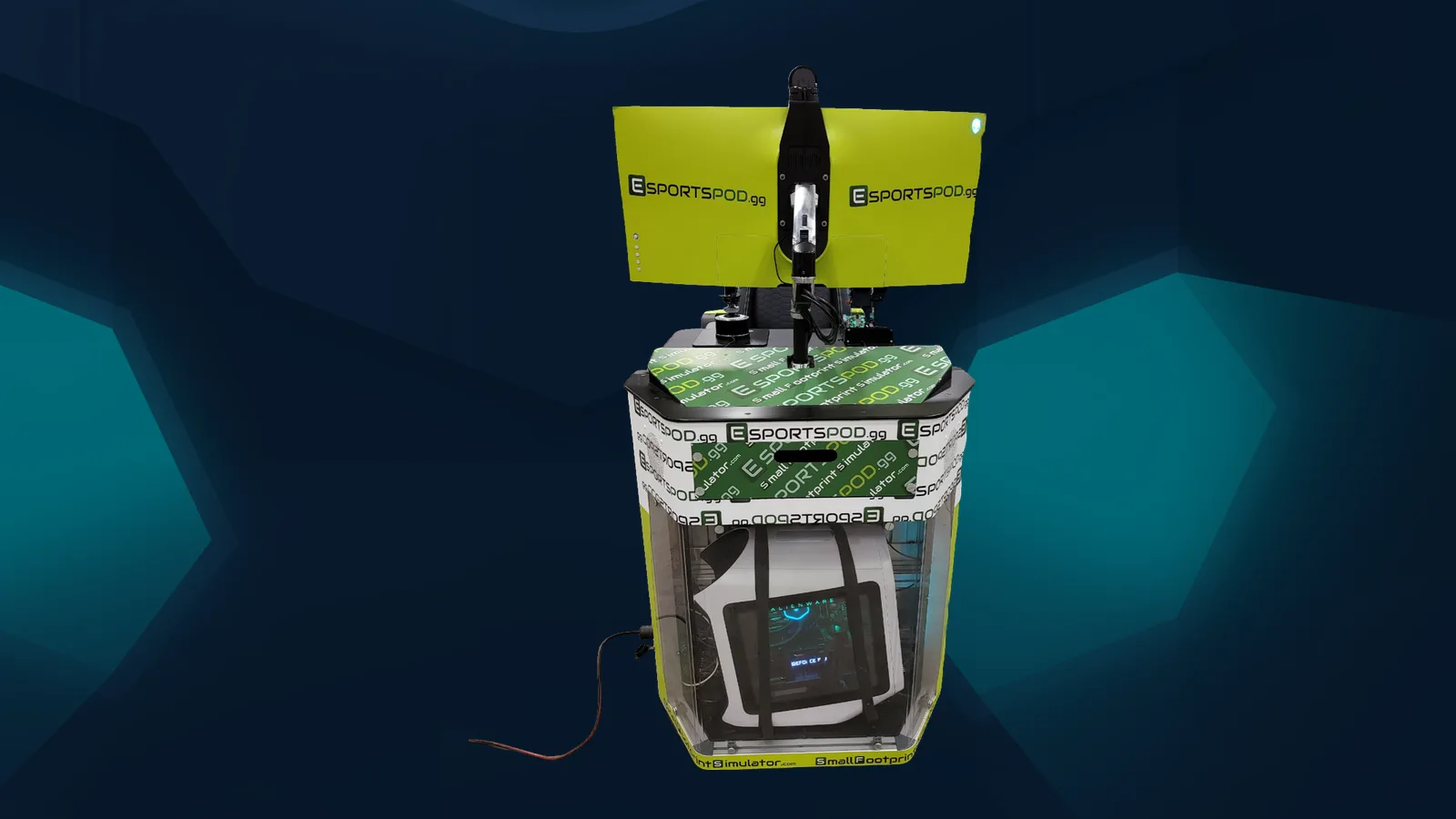
Ping is the round-trip delay between a player's action and the game server's response, and it's the main reason online matches across distance can't be perfectly fair. Every Esport Pod by Sports Media, Inc. ships with identical hardware, which removes one variable. Identical network conditions only exist at an in-person LAN event, where everyone connects to the same local network.
Key takeaways
- Ping is measured in milliseconds and depends on distance, routing and the quality of each connection.
- Online play between distant schools always adds ping, and the amount differs from player to player.
- Pods give every competitor the same hardware, which removes equipment as an excuse.
- Equal network conditions require a LAN, meaning a shared local network at one venue.
- Good tournament design accounts for this instead of pretending online matches are equal.
What is ping, and why does it matter?
Ping is how long data takes to travel from your machine to the server and back, measured in milliseconds. In a fast game, the difference between a low and a high ping can mean your shot registers late, your car appears to jump or your opponent seems to teleport.
It matters most in games where reaction time and position are everything. Racing, shooters and fighting games punish delay. A slower-paced strategy game forgives more.
Why can't online matches between schools be equal?
Because physics and routing get a vote. Signals in fiber travel at a good fraction of the speed of light, but distance still adds delay, and your traffic crosses several networks on the way. One school may have a clean, wired connection while another shares bandwidth with a building full of students.
Even with identical computers, two players in different cities have different network paths. Anyone who tells you online play is perfectly level is selling something. Our own position is the plain one: online play across distance always adds ping.
What do pods standardize, and what do they not?
This is where precision matters, so here it is in two lists.
What is identical:
- The Alienware gaming PC in every pod.
- The 38-inch curved Alienware monitor (3840x1600, 144 Hz, 1 ms).
- The Razer Enki chair, Kraken V3 headset and Kiyo camera.
- The Thrustmaster T248 RS GT wheel, pedals and shifter, or flight controls.
What is not guaranteed:
- Each school's internet connection, and the path between schools.
- Network quality at any location during online play.
Identical hardware means nobody loses because a rival has a better monitor. It doesn't make home-and-away online ping equal. See the full spec list on the products page.
How do LAN events make competition fair?
At a LAN event, all players connect to one shared local network at one venue, so latency to the game server is the same for everyone in the room. Combined with identical pods, that's as close to a level field as competitive gaming gets.
It's why serious tournaments finish on LAN even when qualifiers happen online. A school region can run online qualifiers for convenience, then bring finalists together for a LAN final where the results carry more weight. The global esports program describes how events can be organized.
How should schools design fair online play?
If you must run online, reduce the damage:
- Use wired connections wherever possible instead of Wi-Fi.
- Pick game servers located between competing schools where the game allows it.
- Pick formats less sensitive to delay when ping is uneven.
- Play longer series so a bad connection in one match doesn't decide the result.
- Reserve high-stakes matches for LAN.
None of this makes online play identical. It makes it reasonable, and being honest about the difference with students and parents saves arguments later.
What should students and parents be told?
Tell them plainly. Hardware is identical, online ping isn't, and finals happen on LAN. Students are quick to spot spin, and a coach who explains why a laggy loss isn't the whole story keeps trust intact.
It also teaches something useful: how to diagnose a connection, check wired versus wireless and read a ping number. Those are real skills that carry beyond gaming.
Frequently asked questions
Do identical pods make online matches fair?
They make the hardware fair, but not the network. Online matches between different locations always involve different network paths and different ping. Identical network conditions only apply when players share a local network at an in-person LAN event.
What is a good ping for competitive play?
Lower is better, and what's acceptable depends on the game. Many players consider tens of milliseconds comfortable for fast games, though that's a rule of thumb, not a standard. Check the game's guidance, and test your actual connection under match conditions.
Does Wi-Fi hurt competitive play?
Wi-Fi can add variability, such as jitter and dropped packets, especially when many devices share the signal. Pods include built-in Wi-Fi for convenience, but for serious matches a wired connection is the better choice wherever your venue allows it.
Can we run a fair LAN with pods?
Yes, with planning. Bring pods to one venue, connect them to the same local network, use a local or nearby game server where supported, and have staff test every station beforehand. Consistency at setup is what makes the result trustworthy.
To see how pods are configured for events, book a demo with our team.