Winter break means more free time, and for many students that means more gaming. December is a good time for coaches, advisors and parents to talk about healthy habits. Competitive players spend long hours seated and focused on screens, so ergonomics and wellness should be part of every esports program.
Short answer: healthy gaming combines good posture, properly adjusted equipment, regular breaks, physical activity, sleep and balance with school and social life. Programs should teach these habits as deliberately as they teach game strategy.
What is a good gaming posture?
- Feet flat on the floor or a footrest, knees near a right angle
- Lower back supported by the chair
- Shoulders relaxed, elbows close to the body
- Wrists neutral rather than bent up or down
- Top of the monitor at or slightly below eye level
Small adjustments can reduce strain during long sessions.
Why does equipment matter for student health?
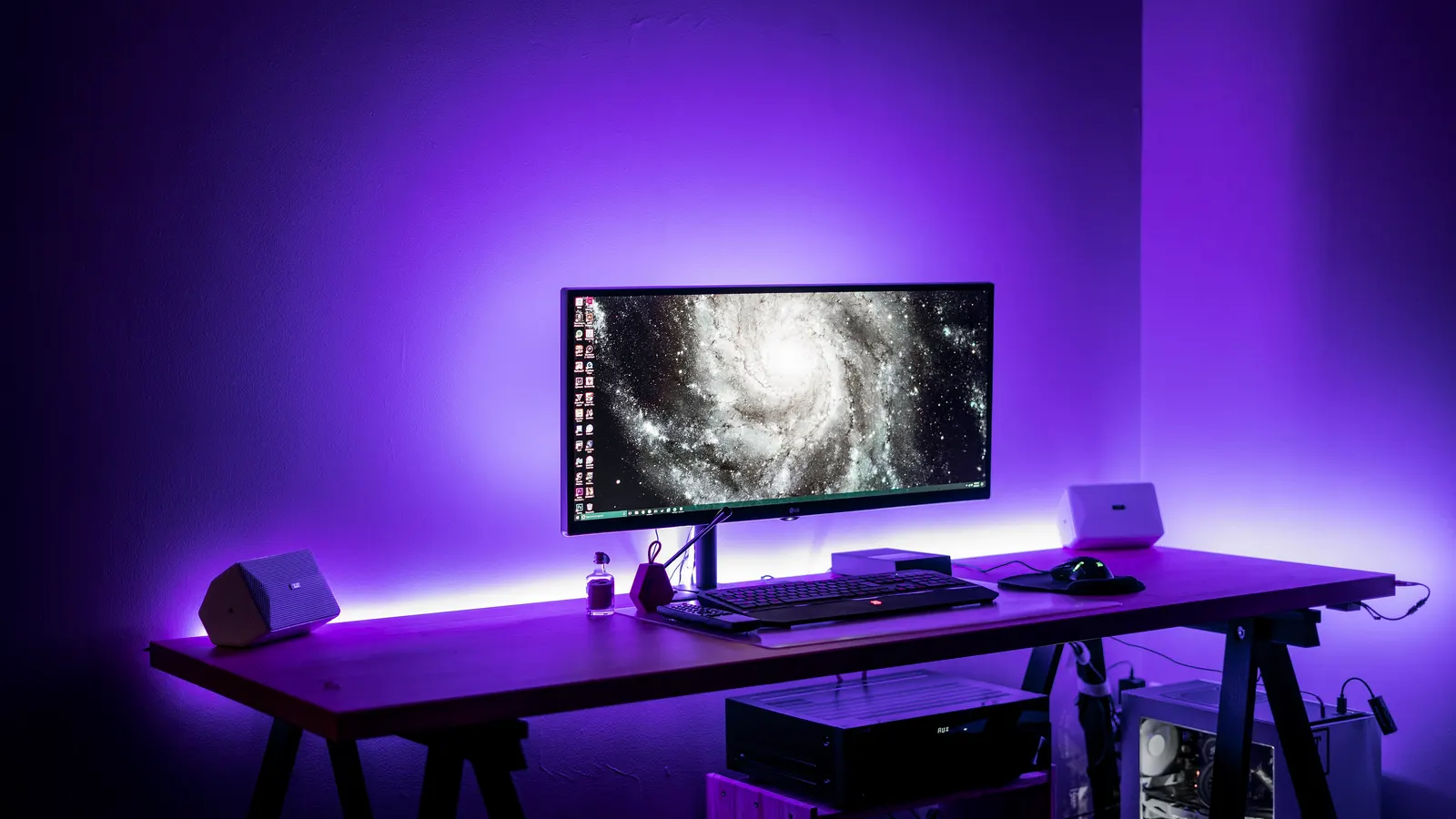
A chair built for long sessions, such as the Razer Enki in the Esports Pod, supports posture better than a standard classroom chair. A large curved monitor, like the Alienware 38-inch display, lets players see the full screen without leaning or turning their heads repeatedly. A comfortable headset with good audio, such as the Razer Kraken V3 HyperSense, helps players communicate without raising their voices or turning volume too high.
How often should players take breaks?
Many coaches build in short breaks between matches or practice blocks. Use breaks to stand, stretch, hydrate and rest the eyes by looking at something far away. Encourage players to step away from screens entirely between sessions. Some programs include warm-up stretches before practice, similar to traditional sports.
How should programs address screen time?
Set practice schedules with clear start and end times. Communicate expectations with parents. Encourage players to keep academics, sleep and physical activity as priorities. Advisors should watch for signs of burnout or stress and check in with students individually. A healthy program helps students develop self-management skills they will use for life.
What role does physical activity play in esports?
Physical fitness supports focus, reaction time and mood. Many professional teams include exercise in their routines. School programs can add team walks, stretching sessions or partnerships with physical education staff. Promoting activity also helps address concerns from families who worry about sedentary habits.
What should students know about eye strain?
Long periods of focus on a screen can leave eyes feeling tired or dry. Encourage players to blink often, keep the room well lit, set screen brightness to match the room, and regularly look away at distant objects. Students who notice ongoing discomfort, headaches or blurred vision should talk with a parent and an eye care professional.
How can advisors teach healthy habits?
- Include a short ergonomics check at the start of each practice.
- Post break and hydration reminders in the practice space.
- Model good habits as an advisor and coach.
- Invite a school nurse or physical education teacher to speak with the team.
- Recognize players who show balance, not only those who win.
Explore equipment designed for comfort on our products page, or book a demo to try the pod seating yourself.
Frequently asked questions
How long should a student gaming session last?
There is no single rule, but regular breaks every session block help. Coaches and families should agree on reasonable limits that protect sleep and schoolwork.
Does a gaming chair really make a difference?
A chair designed for long sessions provides better lumbar support and adjustability than many standard chairs, which helps posture.
Should esports teams do physical training?
Yes. Stretching, walking and general fitness support focus and wellbeing, and many teams include them in practice routines.