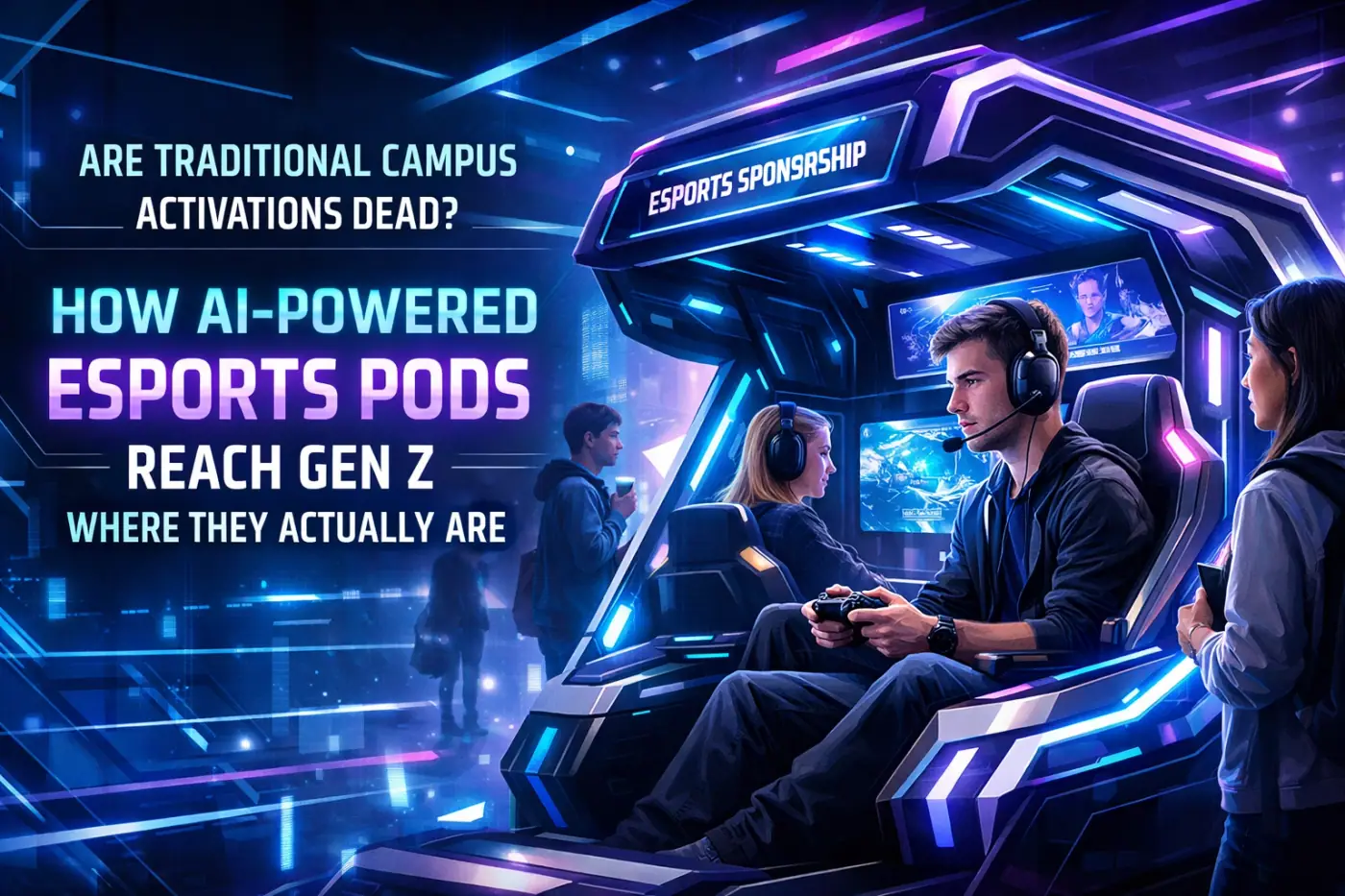
Every fall, marketers plan the year ahead and ask the same question: where is the next generation paying attention? For many brands, the answer increasingly includes gaming and esports. Gen Z grew up with interactive entertainment, streaming platforms and online communities, and their media habits reflect that.
Short answer: esports is an effective way to reach Gen Z because it meets them in spaces they already value: games, streams, communities and live events. Brands that support esports authentically, especially at the school and college level, can build trust and long-term relationships with this audience.
How do Gen Z media habits differ from earlier generations?
- They spend significant time on streaming and social video platforms
- They value participation, not just passive viewing
- They follow creators and communities more than traditional channels
- They are skeptical of advertising that feels forced or inauthentic
These habits make traditional advertising less effective and make partnerships with communities more important.
Why does school and college esports matter to brands?
Professional esports gets headlines, but school and college programs reach students, families and local communities directly. Supporting these programs can feel more meaningful than placing an ad. A brand that helps a school launch an esports team or a broadcast program is associated with opportunity and education, which resonates with students and parents alike.
What media assets do esports programs create?
- Live streams of matches and events
- Highlight clips and social media content
- Student-produced shows and interviews
- In-person events with spectators
- Equipment and spaces that carry approved recognition
Each of these can create value for sponsors when managed thoughtfully and within school policies.
What are media rights in school and college esports?
Media rights define who can broadcast, distribute or monetize content from matches and events. As programs produce more content, clear agreements become important. Sports Media, Inc. works in sponsorship, OTT distribution, broadcasting and media rights, helping institutions and brands structure partnerships that respect students and deliver value. Learn more on our sponsorship page.
How can brands engage authentically?
- Support something real, such as equipment, scholarships or events.
- Let students lead the content and voice.
- Offer experiences, not just logos, such as workshops or mentoring.
- Commit for multiple seasons to build recognition.
- Respect school policies and student privacy.
How does hardware support media value?
Consistent, high-quality production depends on reliable equipment. Each Esports Pod includes a Razer Kiyo camera for streaming, a Razer Kraken V3 HyperSense headset and an Alienware PC, so players can compete and appear on stream from the same seat. The lime-green pod itself is a recognizable visual on camera and at events.
What should brands avoid?
Gen Z audiences notice when a brand treats them as a target rather than a community. Avoid messages that interrupt gameplay or broadcasts excessively, products that conflict with school values, and short campaigns that disappear after one event. Respect the culture of the community, listen to student input, and focus on contributions that improve the experience for players and viewers.
How can programs grow their audience?
Consistency is the biggest factor. Programs that stream on a regular schedule, promote matches in advance, and share highlights afterward tend to build a loyal audience over time. Inviting families, alumni and community members to watch also helps.
To discuss reaching students through school and college esports, contact us.
Frequently asked questions
Why do brands sponsor school esports?
Brands sponsor school esports to reach students, families and communities authentically while supporting education and opportunity.
What is OTT in esports?
OTT, or over-the-top, refers to delivering video content directly over the internet rather than through traditional broadcast or cable.
How can brands avoid seeming inauthentic in esports?
Brands should provide real value, let students lead content, commit for the long term and follow school policies.