NIL, short for name, image and likeness, lets student athletes earn money from their own identity, and esports players are part of that conversation. The Esport Pod program by Sports Media, Inc. includes NIL access as one of its sponsorship rights, but what any student can actually do depends on state law, the governing body and the school's own policy. Check those before you sign anything.
Key takeaways
- NIL rules differ by state, by institution and by athletic association, and they change.
- The pod program offers NIL access to sponsors as part of its rights package, subject to local rules.
- Minors and high school athletes often face tighter limits than college athletes.
- Always get written school approval and ask a qualified attorney about anything you're unsure of.
- This article is general information, not legal advice.
What is NIL in plain terms?
It's the right of a student athlete to be paid for use of their name, image or likeness, for example in a social post, a sponsored stream or an appearance. In the United States, college NIL opened up broadly in 2021, and states and associations have kept adjusting their policies since.
High school rules are a separate patchwork. Some states allow NIL activity with conditions, and some restrict it. Don't assume what applies to a university applies to a ninth grader.
Do esports players count as student athletes for NIL?
It depends on how the school classifies its esports program. Some institutions run esports as a varsity sport, some as a club, and some inside a CTE or career pathway course. The classification can change which rules apply.
That's why the first question for any sponsor is simple: who governs this program, and what do they say? Get the answer from the athletic director or compliance office, not from a rumor.
How does the pod program support NIL?
Sports Media, Inc. offers NIL access among the rights available to sponsors, alongside digital rights, intellectual property, pod usage rights and broadcast/OTT rights. In practice that means the program is built with the expectation that students may appear in sponsored content, and that the structure should be ready for it.
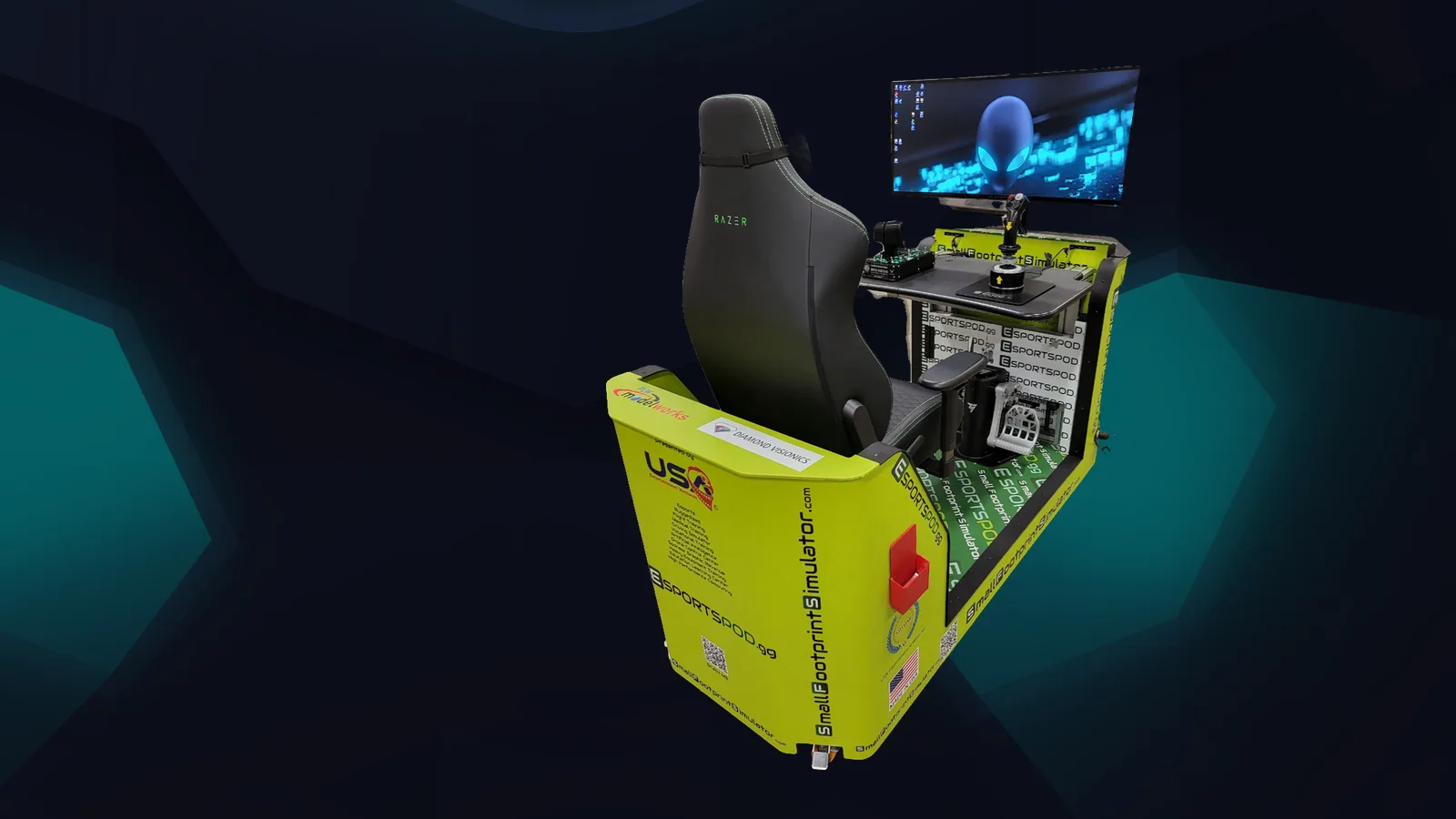
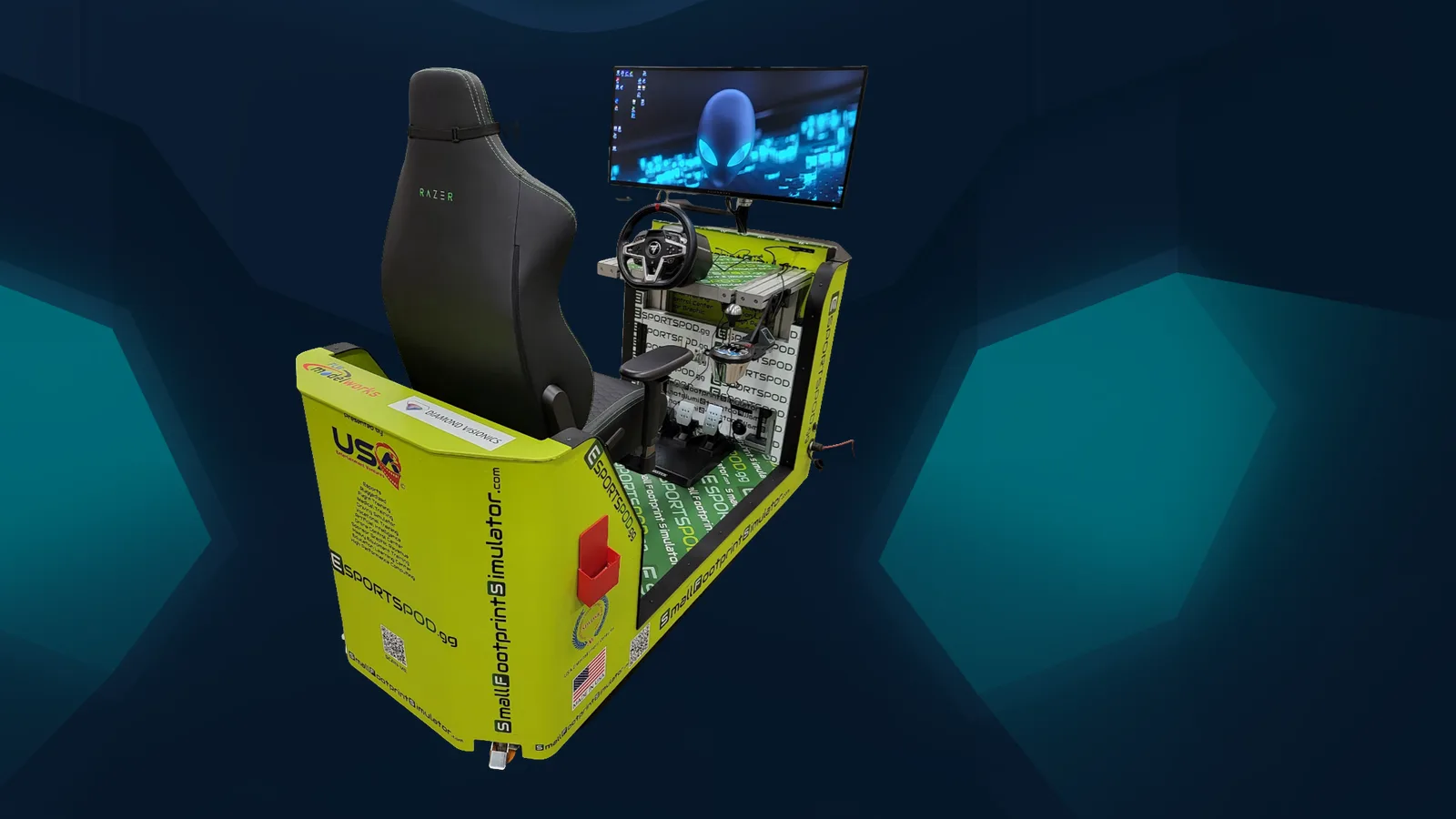
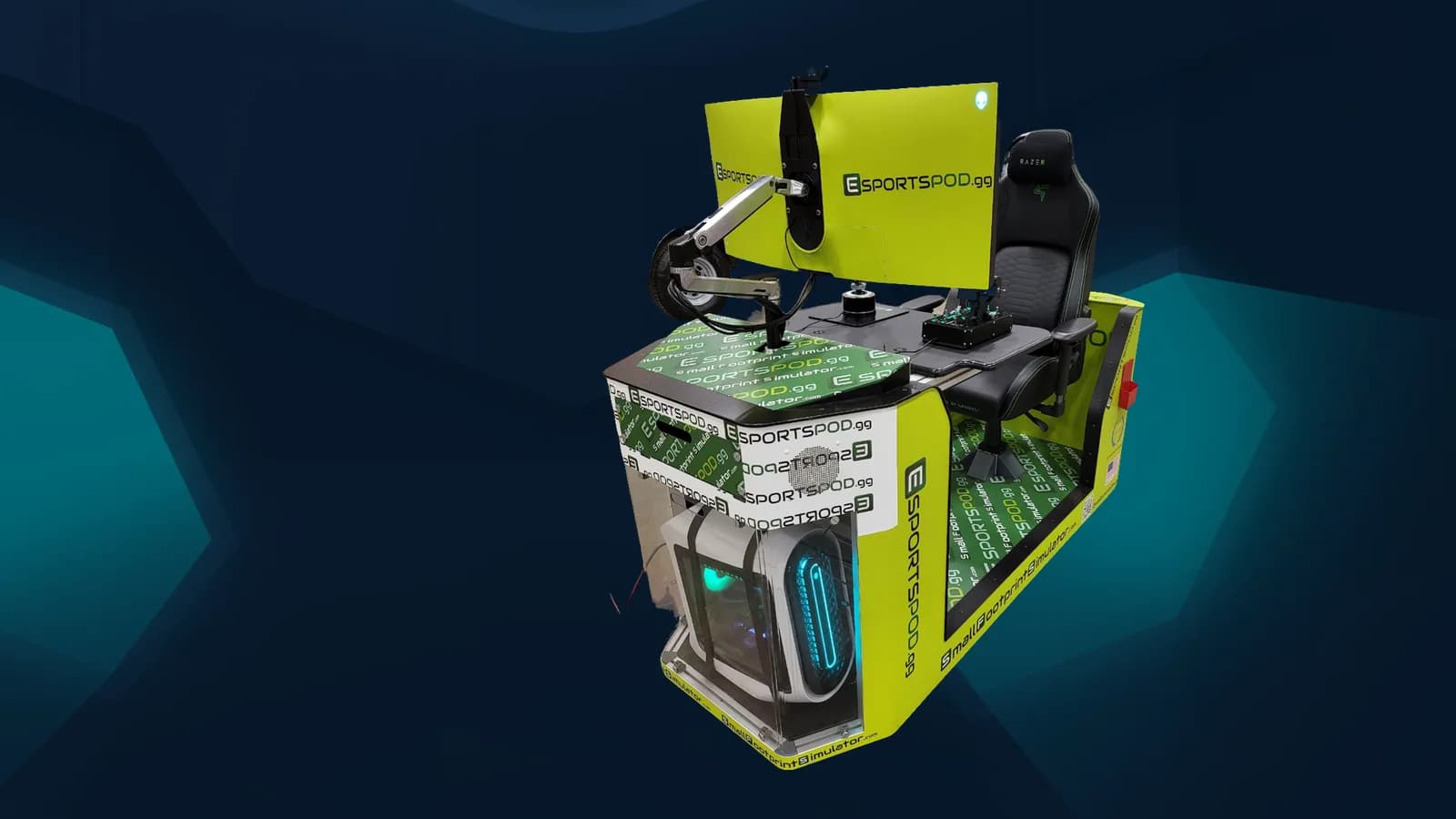
Each pod includes a Razer Kiyo streaming camera and a Razer Kraken headset, so a student can stream or record from the same seat they compete in. Content can then reach the Fanz network, a community of 200k+ across Twitch, YouTube and social. Details of the rights live on the sponsorship page.
What should schools and sponsors check first?
A short checklist beats a long hope. Before any student takes part in a sponsored activity:
- Confirm state law and association rules that apply to that sport and age group.
- Read the institution's NIL policy and any disclosure or reporting requirement.
- Get parent or guardian consent for any student under 18.
- Check for conflicts with existing school sponsors or restricted categories.
- Put terms in writing, including payment, content ownership and how long the deal lasts.
None of this is exotic. It's the same diligence you'd do for any athlete, and schools with a compliance office will usually have a form.
Can NIL affect a student's eligibility or taxes?
It can, which is why you shouldn't guess. Eligibility rules, scholarship interactions and tax treatment are all things a student and family should discuss with the school's compliance staff and a qualified professional.
We won't pretend to cover those specifics here, and any sponsor who tells a student "it'll be fine" without checking is doing them a disservice.
How should a sponsor approach a student athlete?
Go through the school first, not around it. Schools have staff who handle NIL disclosure, and they would rather hear about an offer early than discover it on social media. Keep the offer modest, specific and in plain language, and give families time to read it.
Avoid pressure, avoid exclusivity that outlasts a season, and never ask a student to promote anything that conflicts with school rules. Good deals feel boring on paper, and that's a feature.
Frequently asked questions
Is NIL legal for high school esports players?
It varies by state. Some states permit high school NIL under conditions, while others restrict or prohibit it. Associations and districts may add their own limits. Check your state athletic association and school policy before any student takes part in a paid activity.
Does the pod program pay students?
The program offers sponsors NIL access, meaning they may be able to work with student athletes where local rules allow. Any payment or compensation is a separate agreement between a sponsor and a student, and it must follow applicable laws and school policy.
Who owns content a student creates on a pod?
That depends on the agreements in place. Settle ownership, usage and duration in writing before content is published, and involve the school. Students under 18 will need parent or guardian consent, and an attorney should review the terms.
Where can a school find its NIL rules?
Start with the athletic director or compliance office, then your state athletic association or the governing body for college athletics. Policies update often, so ask for the current version rather than relying on a document from last year.
Schools weighing a deployment can book a demo to ask how NIL access is structured, or see the pod hardware students would use.