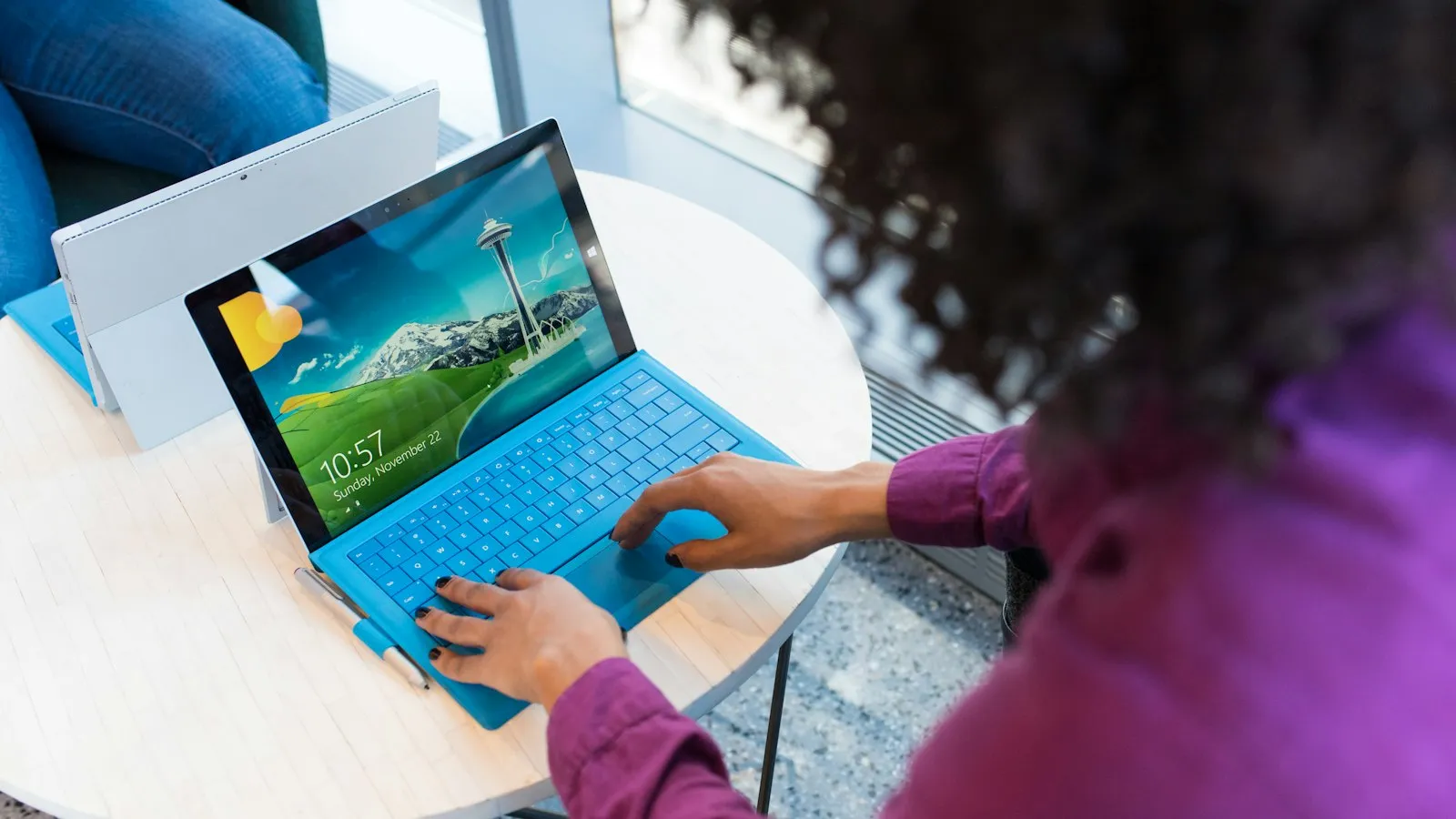
Mobile gaming matters to esports because it lowers the cost of entry. Most people already own a phone, so a game that runs on one can reach players who will never buy a gaming PC. That has helped esports grow in many regions, though mobile and PC esports serve somewhat different audiences and shouldn't be treated as the same thing.
Key takeaways
- Phones and tablets are the most widely owned gaming devices.
- Mobile esports has grown fastest where PC and console ownership is lower.
- Mobile titles raise their own questions about fairness, devices and connectivity.
- Schools can use mobile games as an easy entry point, within policy limits.
- Mobile and PC esports often complement each other.
Why does mobile matter for esports?
Access. A gaming PC is a purchase. A phone is something most people already have. When a game runs on a phone, the barrier to trying it drops to a download.
That has made mobile a major route into competitive gaming in a number of regions, according to widely reported industry coverage. We won't cite exact figures here, because they change and sources differ. The direction is clear enough: mobile brings in a lot of new players.
How is mobile esports different from PC esports?
The controls, devices and rhythms are different.
- Input: Touch controls replace keyboards and mice, and some players use extra accessories.
- Devices: Phones and tablets vary in screen size, speed and battery, which complicates fair competition.
- Sessions: Matches are often shorter, built for play on the go.
- Connectivity: Mobile data and Wi-Fi quality can vary a lot between players.
That last point matters. Online play across distance always adds ping, and mobile connections can add more variability. At in-person events, organizers can supply identical devices and a shared network to level the field.
Does mobile replace PC and console esports?
No. Think of it as a wider door, not a replacement. Many players start on a phone and move to a PC or console as they get more interested. Others stay on mobile by preference. Both groups are part of the same ecosystem.
Different platforms also support different content and sponsor opportunities. Mobile audiences tend to be broad. PC and simulator audiences can be more specialized.
How can schools use mobile gaming?
Carefully. Mobile games can be a low-cost way to start a club, because students already have devices. But schools should consider policies on student phones, in-app purchases, age ratings and data use.
A pathway many programs follow: start with a club using whatever students have, then add dedicated stations when the interest is proven. Esport Pod by Sports Media, Inc. is one such station, built around an Alienware PC, 38-inch curved monitor and optional simulator gear, so PC and simulator titles get a proper home.
| Factor | Mobile | PC or simulator station |
|---|---|---|
| Cost to start | Low, using existing devices | Higher, dedicated hardware |
| Hardware consistency | Varies by player | Identical when standardized |
| Best for | Wide access and quick entry | Structured programs and events |
What should organizers watch for?
Device fairness, connectivity and age-appropriate content. Decide whether players use their own devices or event-supplied ones. For high-stakes matches, supplied devices on a local network are the simplest way to cut variables.
Where does mobile fit with sponsors?
Mobile audiences are broad, which suits some brands and not others. A consumer brand with a wide customer base may find it a natural fit, while a company seeking a specialized audience may prefer simulator or PC communities. Whatever the platform, ask what rights are included and how results will be reported. Our sponsorship page outlines the rights Sports Media, Inc. offers.
Frequently asked questions
Is mobile esports real competition?
Yes. Many mobile titles have organized tournaments, teams and followings. The skills, preparation and pressure are real. The differences lie mainly in the devices, controls and audiences, not in the seriousness of the competition.
Why is mobile gaming so popular?
Because almost everyone already owns a phone. Games are often free to download, sessions can be short and there's no extra hardware to buy. That convenience makes mobile the easiest way for many people to try a game.
Can mobile players move to PC esports?
Some do. Skills like game sense, teamwork and communication transfer, though controls and mechanics differ. A mobile club can serve as an entry point, with stations such as PCs or simulators added later for students who want more.
Is mobile esports fair?
It depends on the setup. Differences in devices and connections can affect results. Organizers can improve fairness by supplying identical devices and using a local network, since identical network conditions only exist at in-person events.
Connecting to the pod program
For schools ready to move beyond phones to dedicated stations, the global esports page and product details are good places to begin.