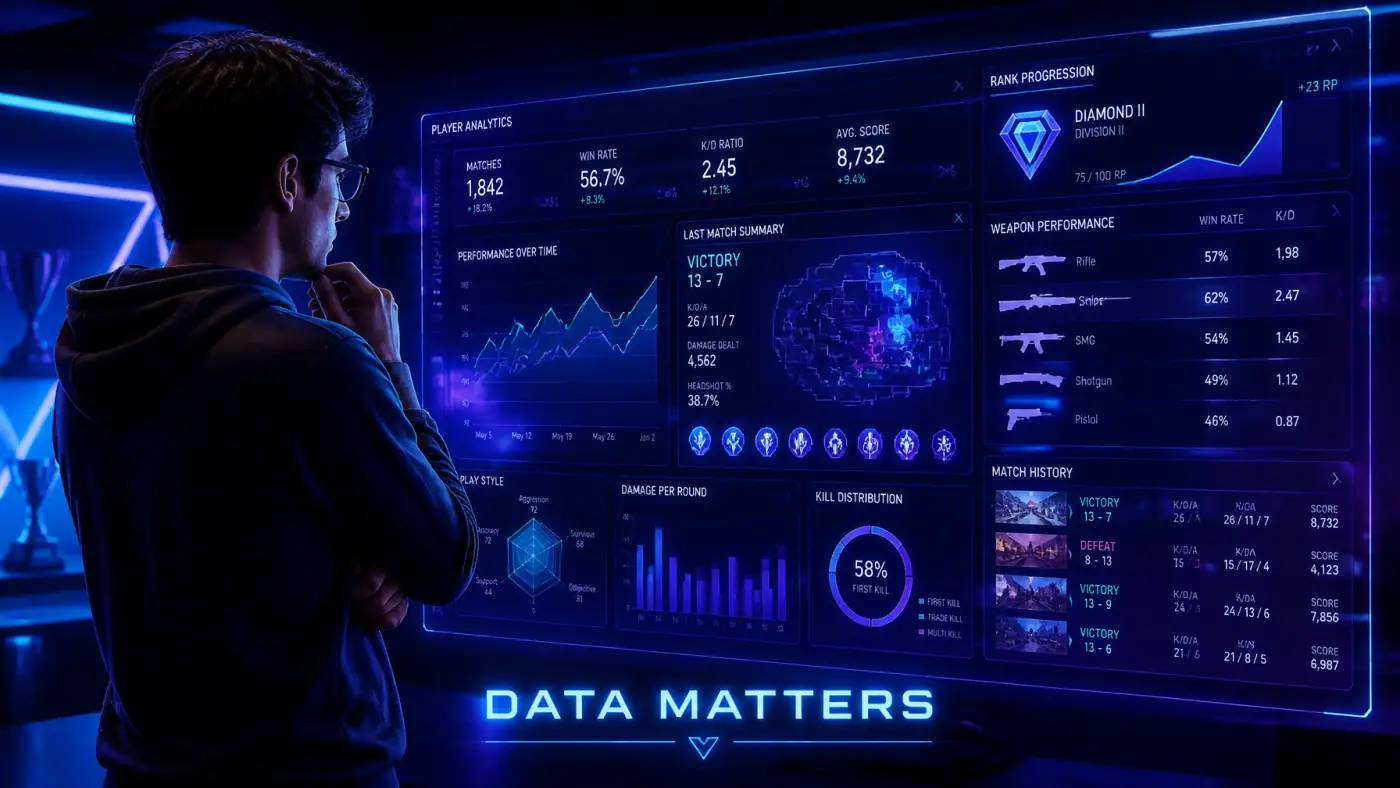
Game studios use telemetry, the automatic recording of what players do in a game, to find where people get stuck, quit or have fun, and then change the game accordingly. The data covers things like how long sessions last, which levels players abandon and where characters die most often. Used well, it points designers to problems they couldn't see from their own playtests.
Key takeaways
- Telemetry records player actions as events, which studios turn into charts and reports.
- Common uses include fixing difficulty spikes, tuning balance and improving the first-time experience.
- Data shows what players do, not why, so teams pair it with interviews and playtests.
- Privacy and consent rules apply, especially for children.
- Bad metrics can make a game worse if teams chase numbers over quality.
What is game telemetry?
It's a stream of small recorded events: a level started, an item picked up, a match ended, a player quit. Each event carries a timestamp and some context, such as which level or which character. A studio's analytics tools then group millions of those events into patterns.
Think of it as a security camera for the game's design. It doesn't tell you the story, but it shows where people gather, and where they leave.
What do studios measure?
The specific list depends on the game, but several measures show up almost everywhere:
- Retention: how many players return after a day, a week or a month.
- Funnel drop-off: where players leave during onboarding or a mission chain.
- Death and failure maps: where players fail most often, often shown as heatmaps.
- Win rates and pick rates: which characters or weapons dominate a competitive game.
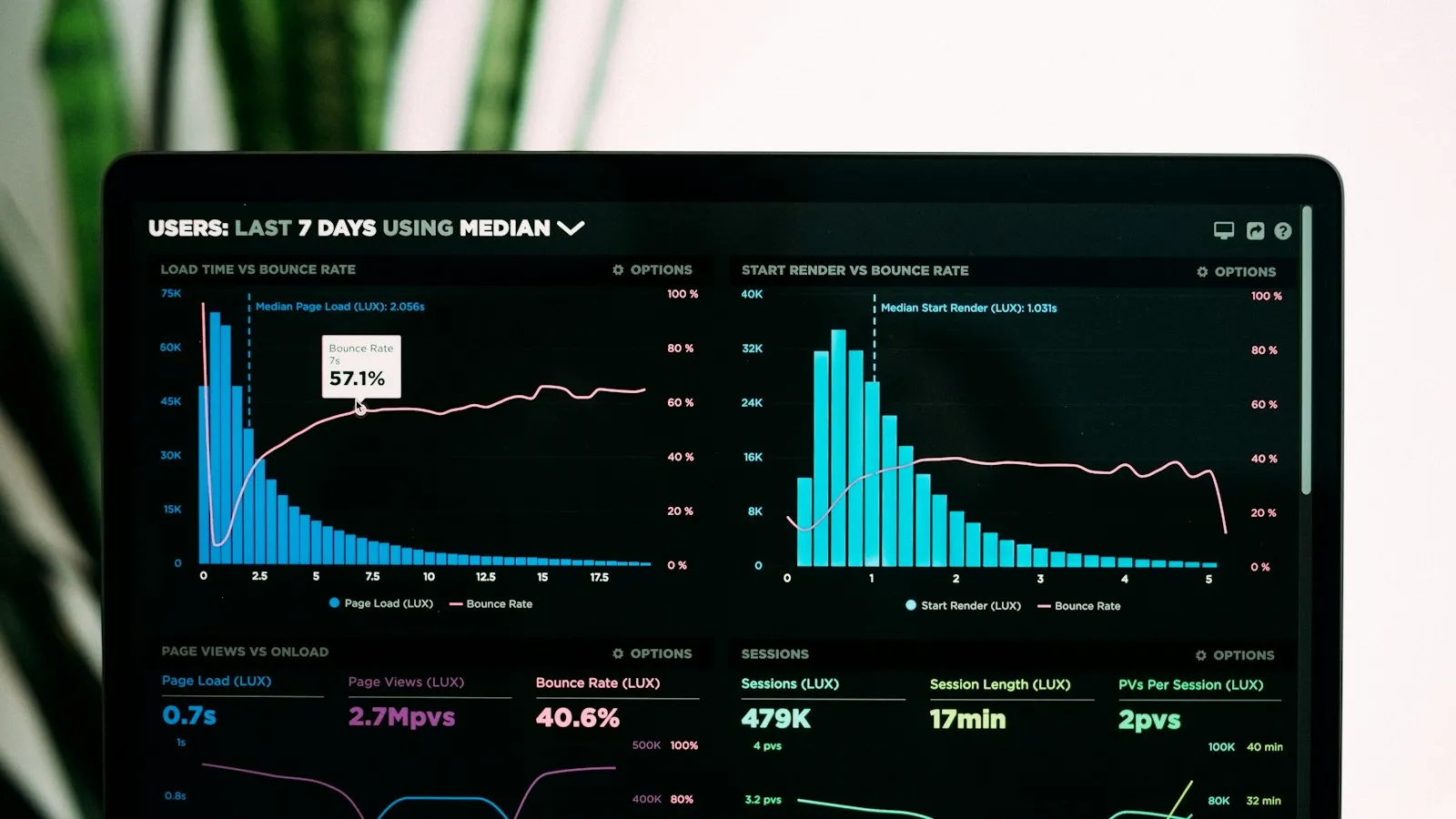
- Performance data: frame rates, load times and crashes by hardware type.
The analytics dashboard on a laptop is the visible end of this. The real work is deciding what questions to ask before collecting anything.
How does telemetry change a game?
Concretely, it finds problems and guides fixes. If most players quit at the same boss, the boss may be too hard or poorly explained. If one character wins far more than others in competitive matches, designers adjust its numbers.
Studios also use it to test changes. A team can show two versions of a tutorial to different groups and see which one keeps more players. That's called A/B testing, and it works best with clear goals and enough players to trust the result.
What can't telemetry tell you?
Why. A drop-off tells you players leave at a point, not whether they were frustrated, bored or called away for dinner. Teams answer that with player interviews, surveys and watching people play.
It's also easy to optimize the wrong thing. A team that rewards session length may be tempted to make a game stickier rather than better. Good studios treat numbers as questions, not verdicts.
What about privacy and consent?
Player data is personal data in many places, and rules apply. Laws such as GDPR in Europe and children's privacy laws in the United States set requirements for consent, data minimization and retention. Studios usually collect only what they need and disclose it in a privacy policy.
If you run school esports, the same thinking applies to any data you collect about students, such as performance stats or stream footage. Check with your district before collecting more than you need. Our own pod hardware is built for play and instruction, and policy on student data stays with the institution.
Does telemetry matter in esports?
A great deal. Coaches and analysts use match data, such as positioning, economy and objective control, to review play and plan practice. It's one reason analyst roles have grown, which we describe in our post on careers beyond playing.
How do teams decide what to track?
Start from questions, not from data. A team might ask: where do new players quit, which weapon is chosen far more than others, which levels take twice as long as expected? Each question points to specific events worth recording.
Tracking everything sounds thorough but creates noise, cost and privacy risk. A short, well-named list of events that people actually review is better than a warehouse nobody opens.
Frequently asked questions
Is telemetry the same as spying on players?
No, but it can become invasive if misused. Responsible telemetry collects gameplay events, discloses it in a privacy policy, and limits personal data. Players should be able to understand what is collected, and children's data needs extra care under applicable laws.
Do small indie studios use player data?
Often, yes, in simpler forms. Even basic tracking of where players quit or which levels take longest can reveal fixes. Small teams usually combine light analytics with direct feedback from a community, since they lack the volume that large studios have.
What is a heatmap in a game?
A heatmap overlays a game map with color showing how often something happens at each location, such as player deaths or time spent. Designers use it to spot dead zones, choke points and unfair spawn areas in a few seconds.
Can data replace playtesting?
No. Data shows what players do at scale, and playtesting shows why. The strongest teams use both: analytics to find the issue, and observation to understand it. Relying on only one tends to produce misleading conclusions.
Schools building skills in analysis and coaching can see how the Esport Pod program connects play with real career pathways.