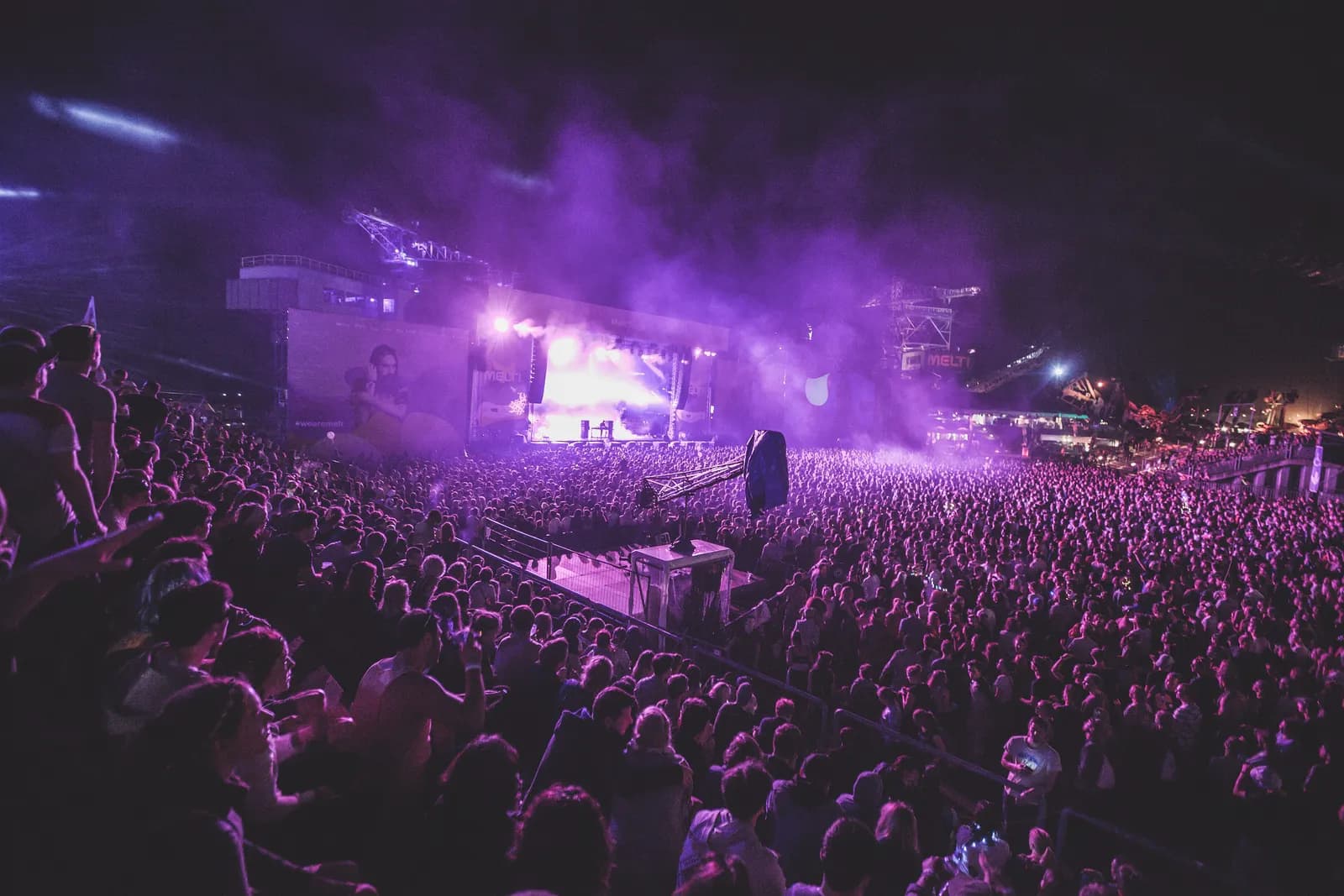
A live esports arena event works because dozens of unseen jobs happen in the right order: network and hardware are tested, a production crew runs cameras and replays, referees enforce rules and every system has a backup. What the audience sees is a match. What the crew sees is a schedule measured in minutes. The best events are the ones where nothing visible goes wrong.
Key takeaways
- Events depend on a controlled local network and tested, identical player stations.
- Production includes cameras, observers, replays, graphics and commentary.
- Referees and admins keep matches fair and handle disputes and technical pauses.
- Backup equipment and rehearsals matter more than fancy effects.
- Events at any size share the same basic structure.
What happens before the doors open?
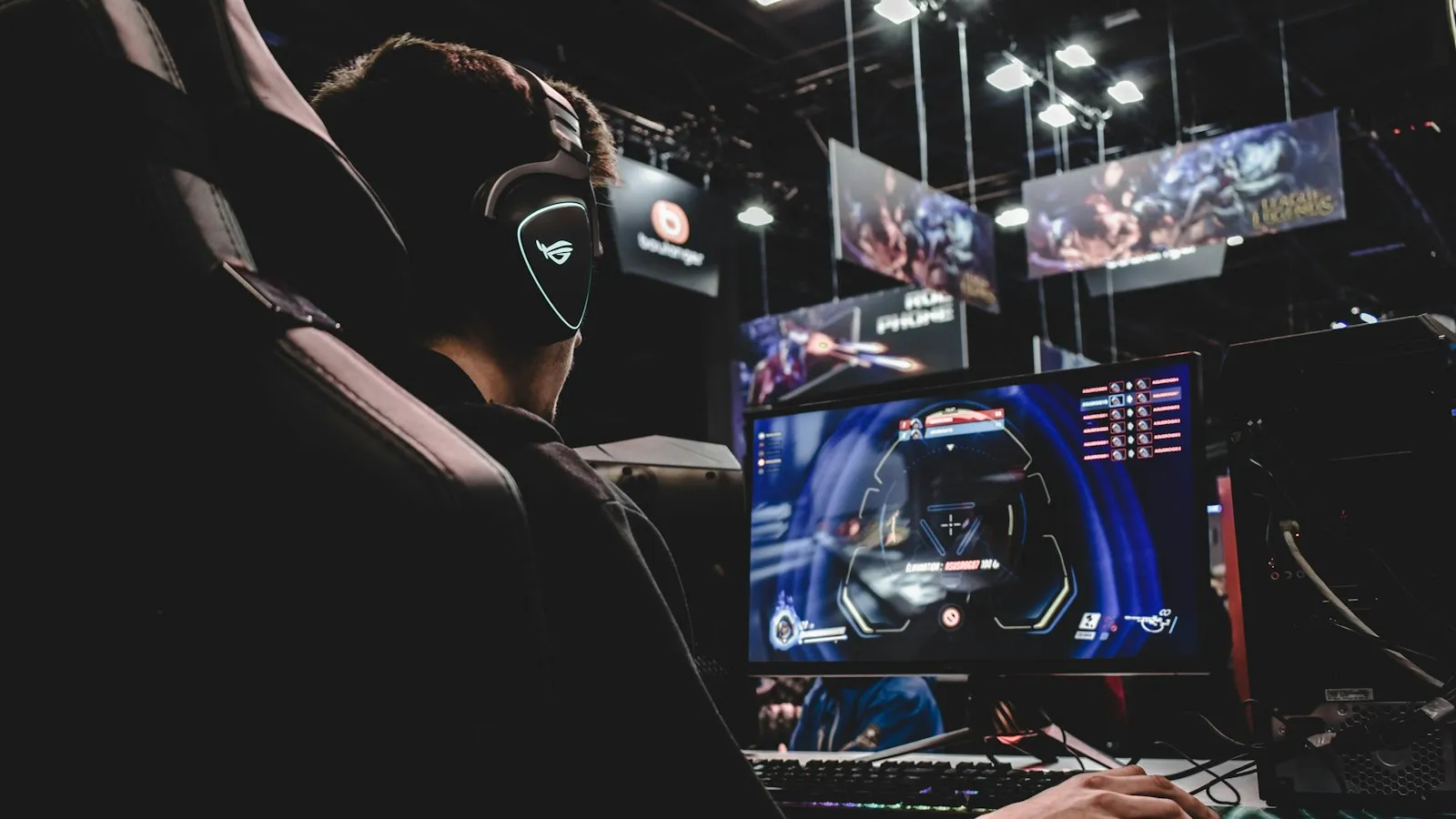
Days of setup. Crews build the stage, run power and cable, install player stations and build the network. Every station gets the same settings so no player has an equipment edge.
Then comes testing. Each computer, headset, monitor and peripheral is checked, followed by a full run of the show without an audience. Problems found during rehearsal are cheap. Problems found live are not.
Why does the network matter so much?
Because a LAN event is only fair if the network is. Players connect to one local network at the venue, so their delay to the game server is the same. That's what separates a LAN final from online play, where each connection differs.
Event teams keep the competition network separate from the audience and broadcast networks, so a crowd streaming video can't affect a match. Spare switches and cables sit in a labeled box. We go deeper on this in our look at ping and fairness.
Who runs the broadcast?
A production crew, usually in a control room or truck. Typical roles include:
- Director: chooses which camera or game view goes on air.
- Observers: control the in-game camera to follow the action.
- Casters: play-by-play and analyst commentators who explain what's happening.
- Replay operator: finds and plays back key moments.
- Graphics operator: runs scores, lower thirds and stats.
- Audio engineer: balances commentary, game sound and crowd.
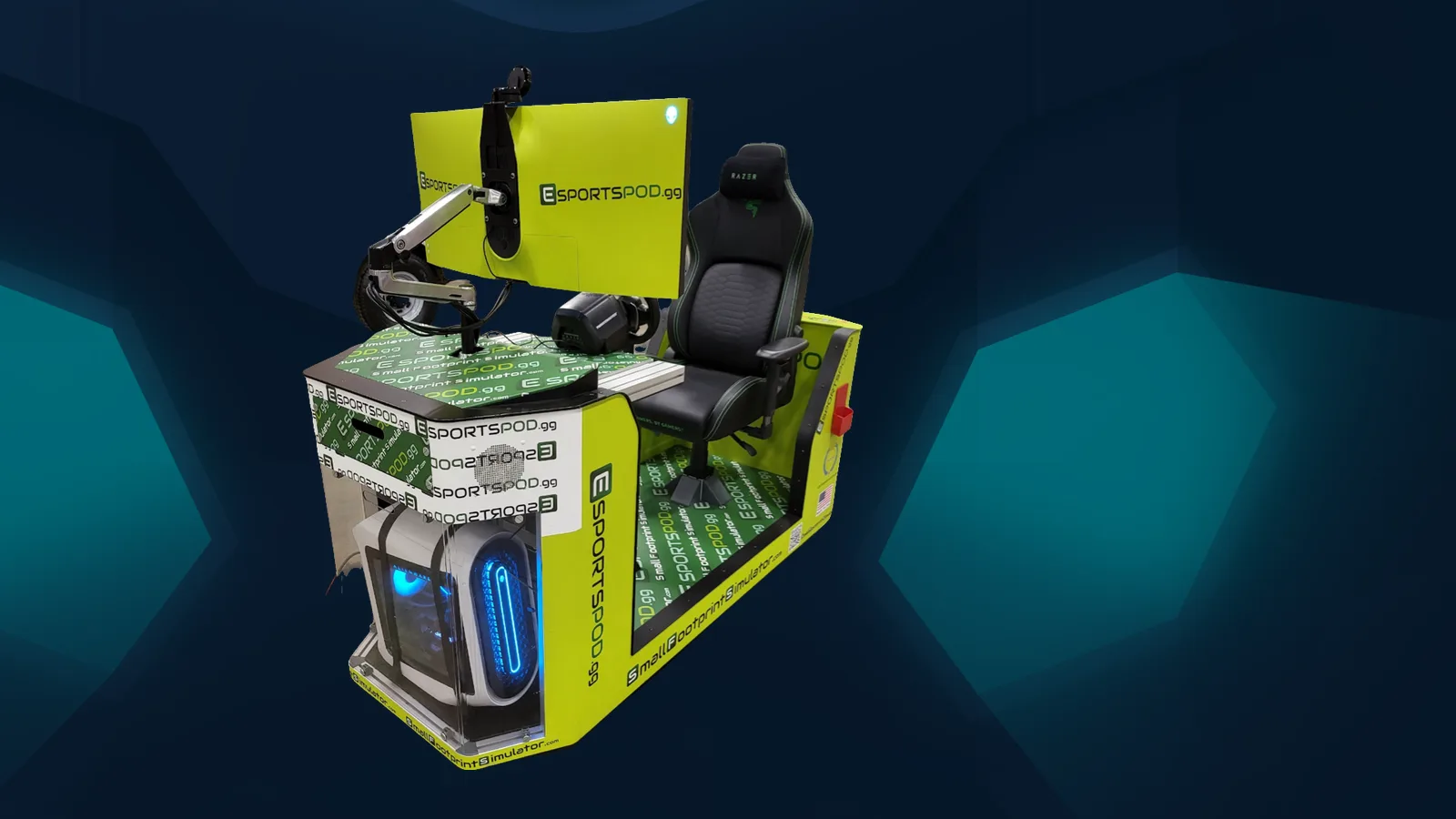
Most of the audience never thinks about these jobs, which is a sign they're being done well. For schools, a pod with a camera and a projector mirror can be a small-scale version of this setup; see the pod features.
How do referees keep matches fair?
Admins confirm rules, check settings, monitor players and make calls on technical issues. If a computer freezes or a player disconnects, there's a defined procedure: pause, diagnose, decide whether to restart or resume.
The best events publish those procedures in advance. Players accept tough calls more easily when the rule existed before the problem did.
What can go wrong, and how do teams prepare?
Plenty: power loss, network failure, player equipment faults, delayed matches, stream outages. Preparation looks boring but works.
- Backup stations for each team and a spare of every peripheral.
- Redundant network paths and a second internet line for streaming.
- Written schedules with buffer time between matches.
- Clear communication channels between production, admins and the stage.
- A rehearsal with real equipment, not a walkthrough on paper.
Student events follow the same pattern at a smaller scale. A gym with 10 pods, a projector and a laptop can run an honest tournament with the right planning.
What does a show day schedule look like?
Show days are built backward from the first match. Doors, tech checks, player warmups, a production run-through and the opening segment each get a time slot, with buffers between them. Players are briefed on where to be and when.
Once matches start, the schedule becomes a living document. A delay in one match shifts the rest, and the stage manager's job is to keep the crew and players informed so nobody is surprised.
Frequently asked questions
How long does it take to set up an esports arena event?
It varies with scale. A small school event might take a day. A large arena show can take several days of build, rehearsal and testing before the first match. Time spent on testing is what prevents delays during the show.
Why are esports events played on LAN?
A LAN gives every player the same network conditions, so delay is the same for everyone in the room. Online play always adds ping that differs by connection. For fair, high-stakes matches, organizers prefer in-person LAN events.
What does an esports referee do?
A referee, or admin, enforces the rules, verifies settings, monitors matches and rules on disputes or technical issues. They also decide whether to pause or restart games after problems, following written procedures where possible.
Can a school run its own live event?
Yes, with planning. A gym or library, identical stations, a controlled network, a few trained students on production roles and a written rulebook are enough to start. Rehearse first, then grow from there.
Schools looking at event-ready hardware can see how the Esport Pod program supports local competition.