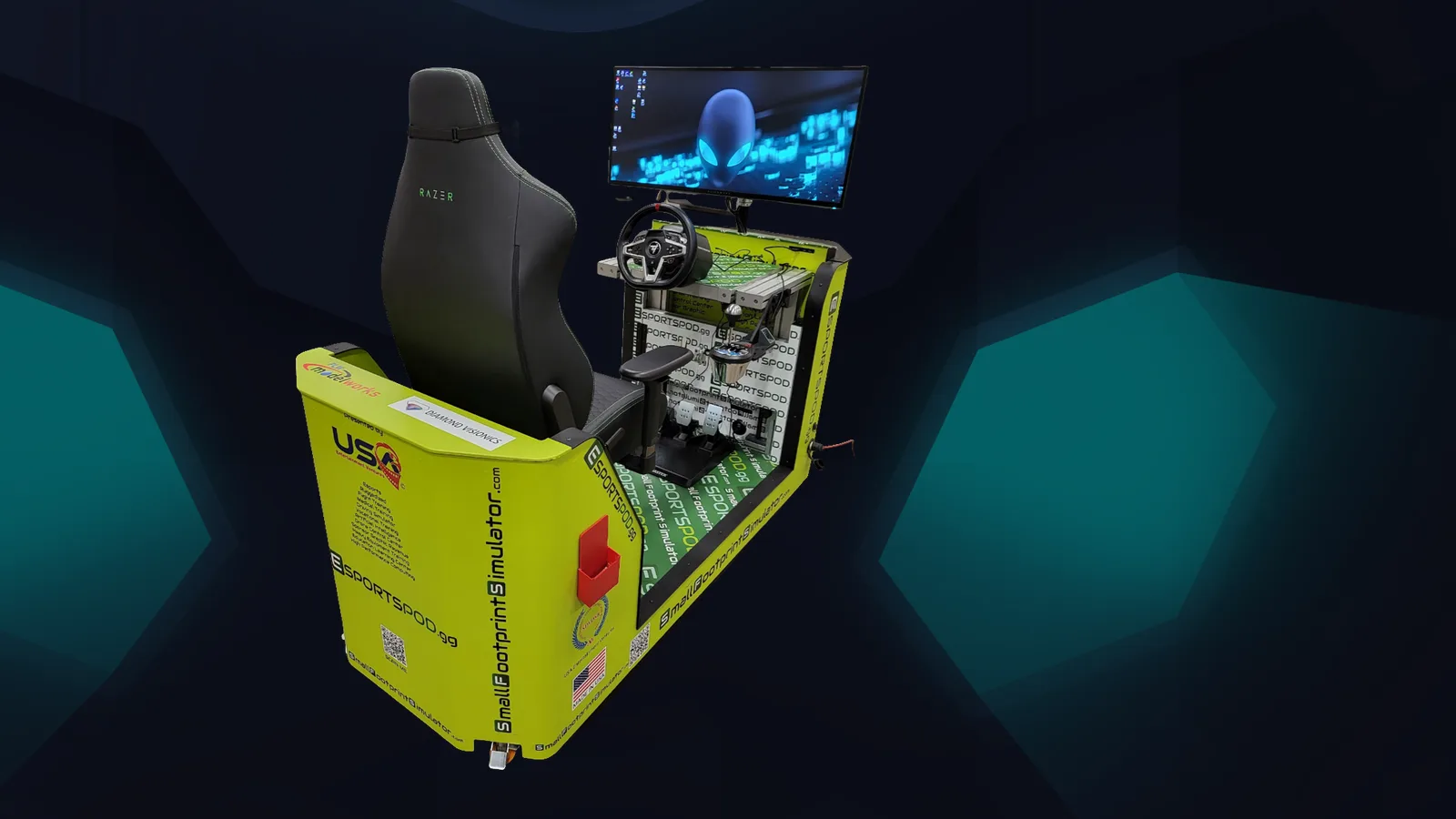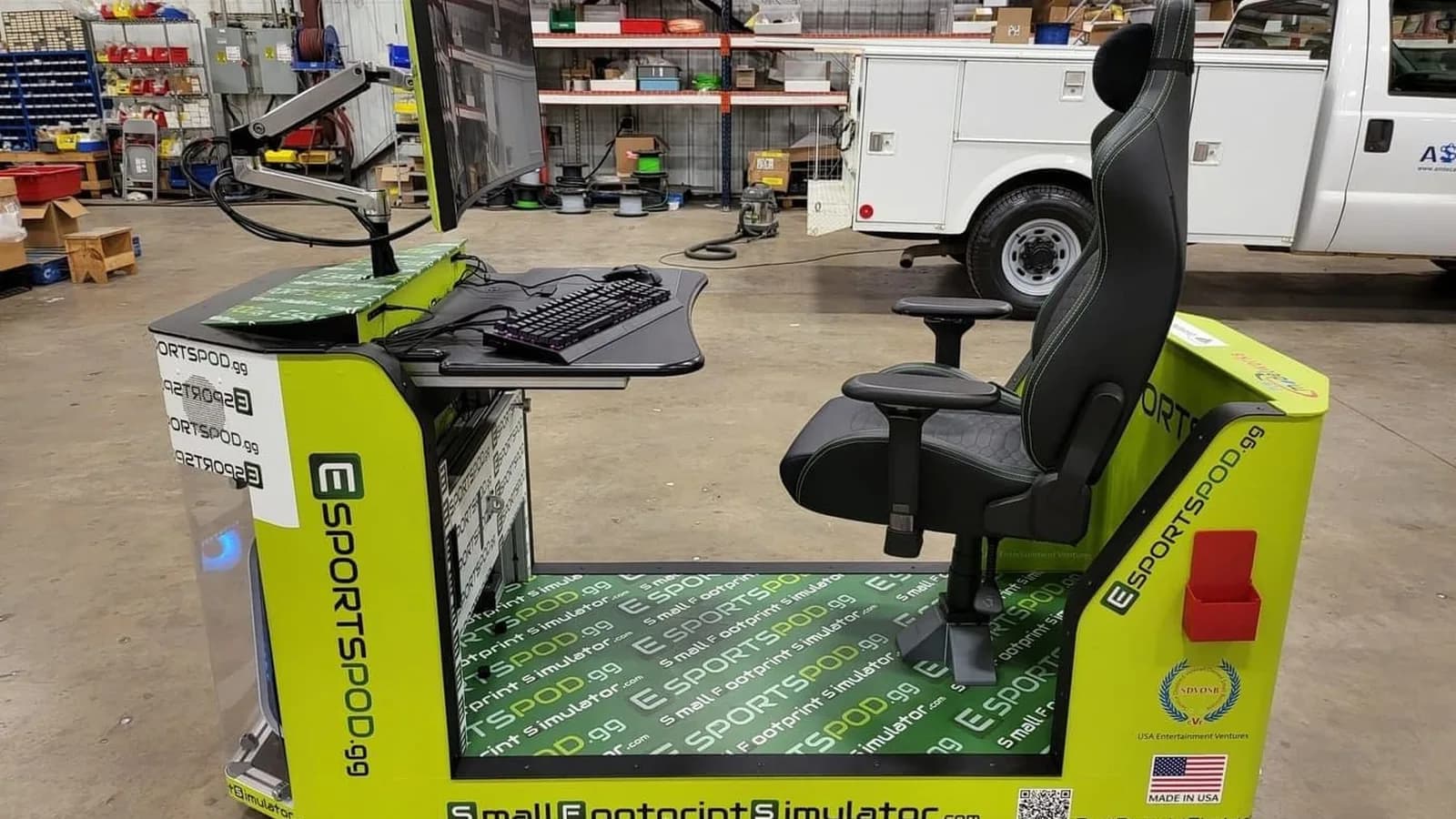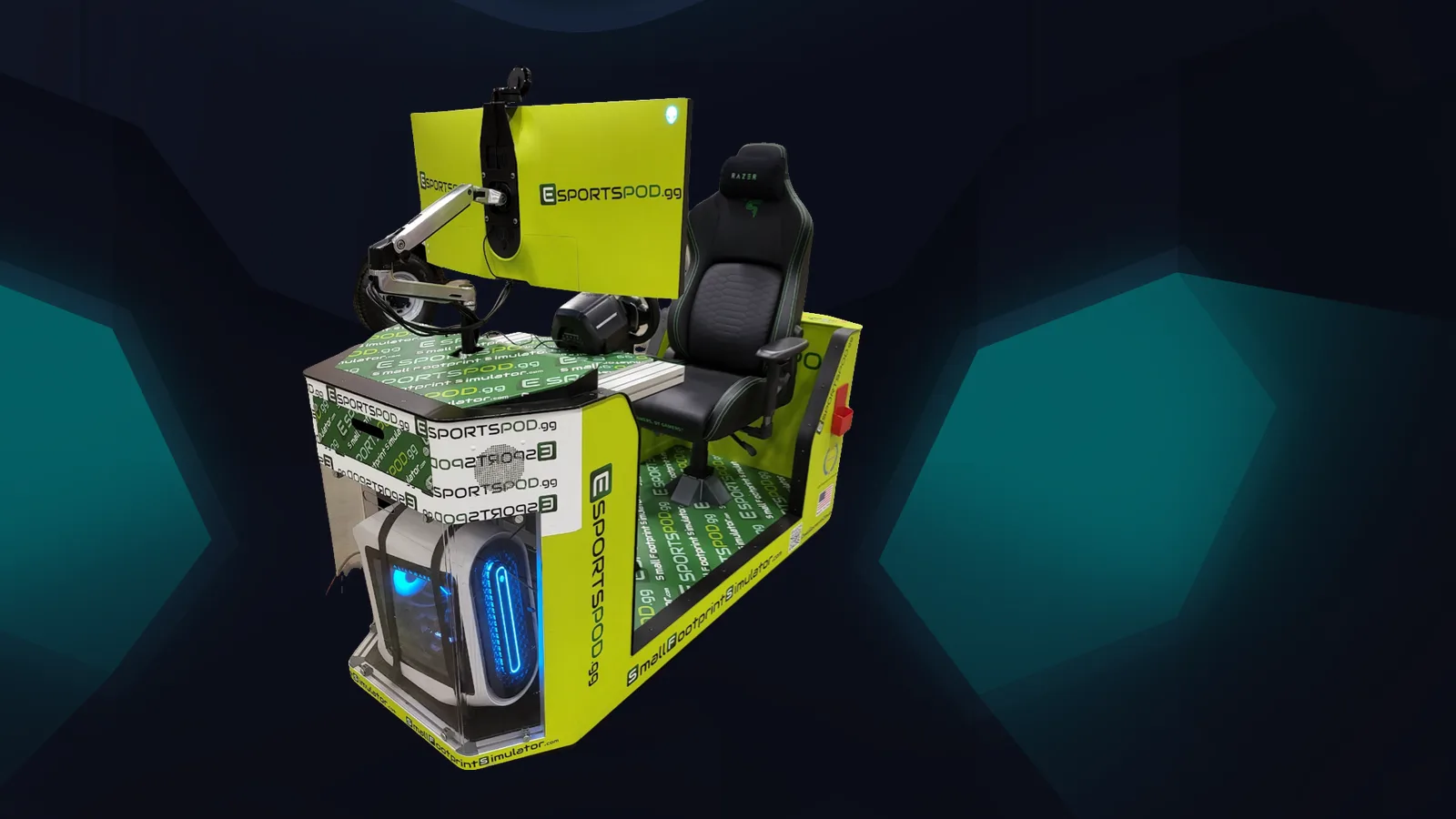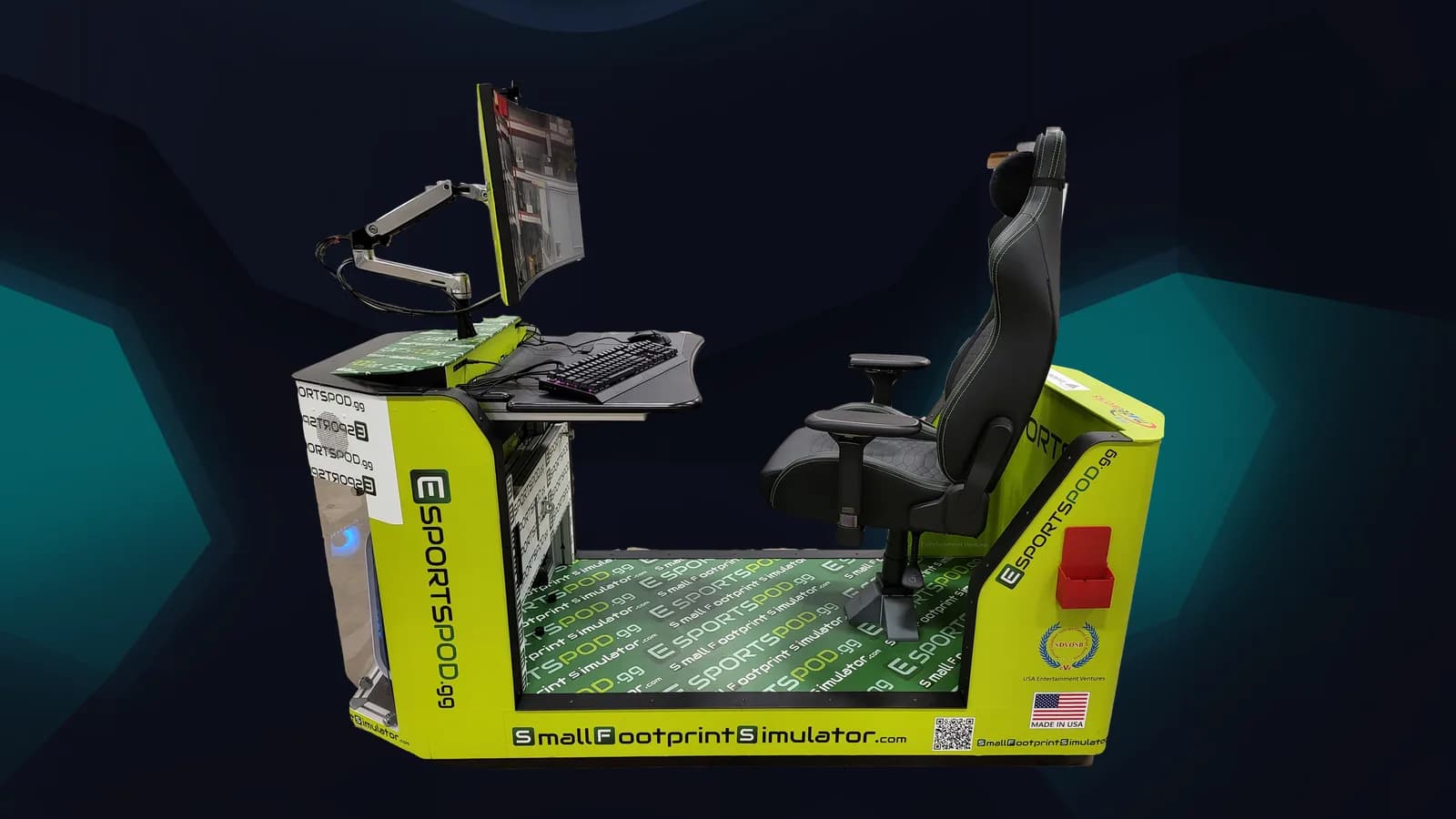
Esport Pods help community colleges build workforce skills and attract students by pairing a compact gaming and simulator station with programs in technology, media production and teamwork. The Esport Pod by Sports Media, Inc. gives a college a flexible, single-seat station that can serve a club, a class and a campus event.
Key takeaways
- Pods support clubs, CTE-style coursework and student engagement in one piece of equipment.
- Skills touch teamwork, communication, tech support and live production.
- Deployments of 10, 20 or 30 pods include installation, training and sponsorship support.
- Enrollment effects depend on your program, so set goals and measure them.
Why do community colleges add esports?
Colleges add esports to give students a reason to be on campus, join a team and connect with staff. Community colleges serve students who often work and commute, so anything that creates community is valuable.
We won't claim that a pod will lift enrollment by some percentage, because no honest vendor can promise that. What we can say is that a visible, active program gives recruiters something concrete to show and gives current students something to belong to.
What workforce skills can students build?
The pod is a gaming and simulator station, but the skills around it are broader. Students who run a program practice a surprising amount of real work.
- Teamwork and communication: coordinating roles, giving feedback and handling conflict.
- Technical support: setting up hardware, troubleshooting and basic network awareness.
- Live production: the Razer Kiyo streaming camera supports streaming and content creation.
- Event management: scheduling, brackets, promotion and supervision at LAN events.
- Simulation basics: the Thrustmaster racing and flight controls offer an entry point to driving and flight simulation.
Pair the equipment with a course or club structure, and these become documented experiences students can put on a resume. Our internships page describes related opportunities.
How can a pod support enrollment and retention?
Use it as a visible campus hub. Open houses, orientation days and club fairs all work better with something students can try. A pod near a student center draws people over, and they leave with a conversation started.
The projector slot mirrors the screen to a classroom wall, so a demo can reach a group rather than one player at a time. Tracking is simple: count club sign-ups, session attendance and event turnout, then compare across semesters. Keep your claims modest and your data honest.
How do pods fit a community college campus?
They're easy to place. Each pod is a compact single-seat station on wheels that fits through standard doors and into elevators, and it runs on a standard 110V outlet. You can move it between a lab, a library and an event space.
Every pod includes an Alienware gaming PC, a 38-inch curved Alienware monitor, a Razer Enki chair, a Razer Kraken V3 headset, a Razer Kiyo camera, a modem and built-in Wi-Fi. That means less piecing together hardware and less IT overhead, which matters for small staffs.
What does it cost and what's included?
Deployments are 10, 20 or 30 pods at $300,000, $600,000 or $900,000, about $30,000 per pod. Pricing includes installation, training and sponsorship support from Sports Media, Inc.
Optional extras include VR at $1,499, a T248 wheel set at $599.99 and a TSS handbrake at $285. Sponsorship support can help with funding conversations, though it's not guaranteed. A written quote follows a demo within one business day, and you can see the lineup on our products page.
One more practical point for small college teams: start with a modest plan and grow it. Launch with a club, one or two instructors and a regular schedule, then add events and coursework links once the basics run smoothly. A program that does a few things reliably beats a grand plan that stalls in its first semester.
Finally, involve students in running it. Student leaders can handle scheduling, promotion and streaming, and they gain real experience doing it. That's where much of the workforce value comes from, and it takes some of the load off busy staff.
Frequently asked questions
Will an esports program increase enrollment?
It can help, but there's no guarantee and we won't quote a figure. Programs that give students a reason to join campus life tend to support engagement. Set clear goals, track sign-ups and attendance, and judge the results against your own college's numbers.
What courses can use the pods?
Colleges commonly connect pods to media production, information technology, event management and simulation-related programs. The curriculum decisions are yours. The pod gives students hands-on equipment, and your faculty decide how it ties into learning outcomes and credit.
Do community colleges need dedicated space?
No. Pods roll on wheels, fit through standard doors and elevators and use a standard 110V outlet, so they can live in a lab, library or student center. Choose a supervised space with good visibility and a reliable network connection.
Can our college find sponsors?
Possibly. Sponsors can discuss rights such as digital, NIL access for student athletes, IP, pod usage and broadcast or OTT, plus the Fanz network of 200k+. Support is included with deployments, but sponsor commitments depend on your market and program.
If you're weighing a pod for your campus, book a demo and we'll walk through the options. You can also read about sponsorship or get in touch with questions.